Kwankwasiyya Movement Issues Strong Denial of Defection Negotiations
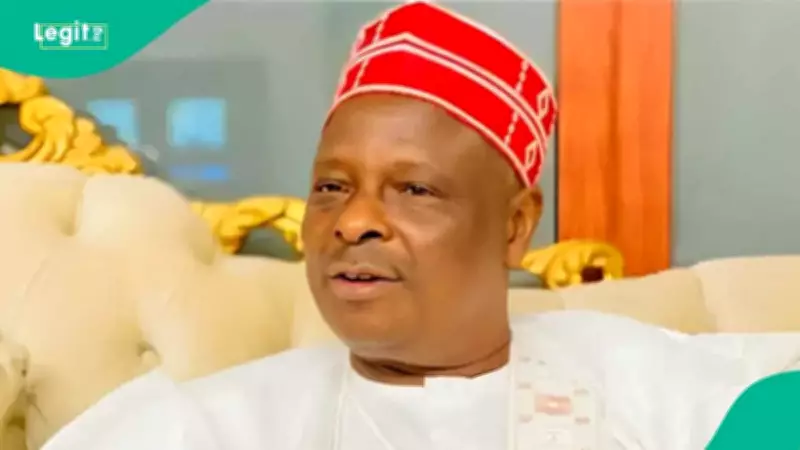
The Kwankwasiyya Movement has firmly rejected recent media reports suggesting that its leader, Senator Rabiu Musa Kwankwaso, engaged in discussions with the All Progressives Congress regarding a potential defection. In an official statement released on Monday, the political group described these claims as completely unfounded and deliberately misleading.
Response to APC's Open-Door Comments
This clarification comes following remarks made by APC National Chairman, Professor Nentawe Yilwatda, who indicated that the ruling party remained open to welcoming Senator Kwankwaso amid ongoing political realignments in Kano State. The Kwankwasiyya Movement emphasized that despite this public invitation from the APC leadership, no negotiations or discussions ever took place between their leader and the ruling party.
Dr. Habibu Sale Mohammed, the spokesperson for the Kwankwasiyya Movement, signed the statement which categorically denied any form of engagement between Senator Kwankwaso and APC representatives. The group specifically addressed reports that emerged after Kano State Governor Abba Kabir Yusuf's defection to the APC, which had suggested that discussions between Kwankwaso and the ruling party had collapsed due to excessive demands.
Complete Denial of Negotiation Claims
The Movement stated unequivocally: "We state clearly, categorically, and without any ambiguity that Senator Rabiu Musa Kwankwaso has never engaged in negotiations, discussions, or meetings with the APC for defection. These claims are entirely false and baseless."
According to the official statement, Kwankwaso has never entered into any discussions or negotiations with the APC, President Bola Ahmed Tinubu, or any intermediary regarding defection to the ruling party. The group clarified that the last formal meeting between Senator Kwankwaso and President Tinubu occurred in January 2024, and no discussions about defection, political bargaining, or party alignment took place during that encounter.
Concerns About Unverified Political Narratives
The Kwankwasiyya Movement expressed serious concern about what it described as the proliferation of unverified reports and televised commentaries suggesting that Kwankwaso had made specific demands to defect. The group warned that such narratives could mislead the public and unfairly damage political reputations.
The statement urged journalists and media organizations to adhere strictly to professional standards by relying on verifiable facts and credible sources rather than speculation or political gossip. The Movement emphasized that Kwankwaso's interactions with political leaders across party lines were normal in a democratic setting and should not be twisted into false political narratives without factual basis.
Allegations of Coordinated Discrediting Campaign
The Kwankwasiyya Movement alleged that these reports formed part of a coordinated attempt by certain political actors to discredit Senator Kwankwaso ahead of future political realignments and weaken his political relevance. The group described Kwankwaso as a disciplined and principled politician whose strength derives from grassroots support rather than elite consensus.
Reaffirming its leader's political stance, the Movement called on Nigerians to disregard what it termed misleading reports, insisting that the situation remained unchanged. "There were no negotiations. There were no demands. There was no discussion of defection," the statement concluded emphatically.
Background of the Controversy
This development follows earlier reports from the APC leadership indicating openness to welcoming the former Kano State governor and ex-presidential candidate of the New Nigeria Peoples Party. Professor Yilwatda had made these comments while reacting to speculations surrounding Kano politics and recent defections involving key political figures in the state.
The Kwankwasiyya Movement's strong denial comes at a time of significant political realignment in Nigerian politics, particularly in the northern region where Kano State plays a crucial role in national political calculations. The group's statement represents a firm attempt to control the political narrative surrounding its leader and maintain clarity about his political affiliations and intentions.