Kwankwaso's Strategic Meetings Signal Opposition Realignment for 2027
President Bola Tinubu's political landscape for the 2027 general elections appears to be facing a significant shift as opposition figures intensify their strategic engagements. This development follows a series of high-profile meetings involving key political players, potentially reshaping the electoral dynamics ahead of the next national polls.
Back-to-Back Consultations with Prominent Leaders
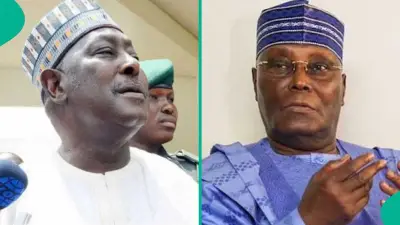
Rabiu Kwankwaso, the former presidential candidate of the New Nigeria Peoples Party (NNPP) and ex-governor of Kano State, paid a courtesy visit to former Vice President Atiku Abubakar at his Abuja residence on Saturday, March 28. The meeting was publicly announced by Atiku through his social media platforms, where he confirmed hosting the NNPP national leader.
This significant encounter occurred just one day after Kwankwaso reportedly met with Rauf Aregbesola, the former governor of Osun State who currently serves as national secretary of the African Democratic Congress (ADC). The ADC has emerged as a coalition-adopted party in preparation for the 2027 general elections, adding strategic importance to these consultations.
Political Context and Defection Speculation
The timing of these meetings is particularly noteworthy given the ongoing political realignments within Nigeria's opposition landscape. Kwankwaso's engagements come amid persistent rumors that he might be considering leaving the NNPP, especially following the departure of his political protégé, Kano State Governor Abba Kabir Yusuf, who recently defected to the ruling All Progressives Congress (APC).
Political analysts suggest that Kwankwaso is actively exploring various platforms to maintain his political relevance and potentially replicate his 2023 electoral success, where he demonstrated significant influence both in Kano State and at the national level. His meetings with both Atiku and Aregbesola indicate a careful evaluation of potential alliances and coalition opportunities.
Public Reactions and Political Implications
The news of Kwankwaso's visit to Atiku has generated considerable discussion among political observers and the general public. Many Nigerians have taken to social media to express their views on the potential implications for the 2027 elections.
Some commentators have expressed optimism about the possibility of a stronger opposition alliance. Abdul-Aziz Na'ibi Abubakar stated that a coalition involving Atiku, Kwankwaso, and other opposition figures could pose a serious challenge to President Tinubu and the APC in the next election cycle.
Other reactions have been more measured, with Ahmadinho calling for responsible governance regardless of political alignments, while Rukkie praised the cross-political dialogue as a positive development for national discourse.
However, some observers remain skeptical about the opposition's readiness. Nwammonwu expressed concerns that current opposition parties might not be sufficiently organized to mount an effective challenge against the ruling party, comparing the situation unfavorably to the APC's opposition strategy leading up to the 2015 elections.
Broader Political Landscape Considerations
These developments occur within a broader context of political maneuvering ahead of the 2027 elections. The meetings between Kwankwaso, Atiku, and Aregbesola suggest that opposition parties are actively exploring coalition possibilities and strategic partnerships.
The potential realignment could significantly impact the political calculus for all major parties, particularly as they assess their strengths and weaknesses in different regions of the country. Kwankwaso's strong base in Kano and northern Nigeria, combined with Atiku's national profile and Aregbesola's position within the ADC, creates interesting possibilities for opposition coordination.
As the political landscape continues to evolve, these high-level consultations will likely influence party strategies, candidate selections, and campaign approaches in the lead-up to the 2027 general elections. The coming months are expected to reveal whether these meetings will translate into concrete political alliances or remain exploratory discussions among opposition leaders.