Political Heavyweights Display Influence at Kano Market Tragedy
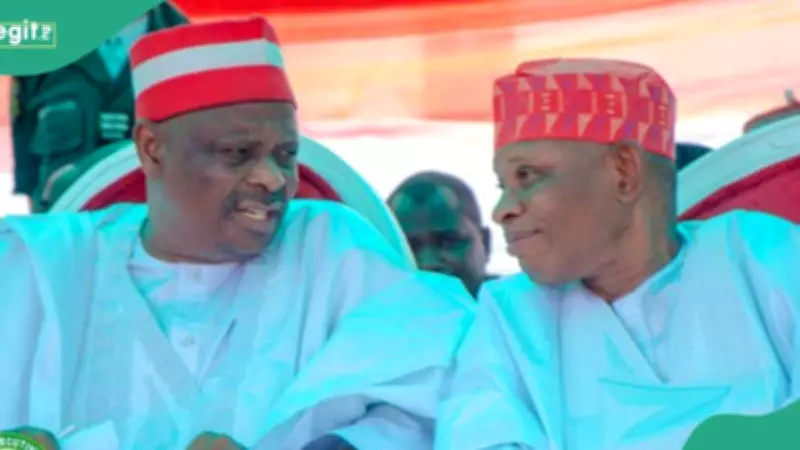
In a significant display of political maneuvering, two of Kano's most prominent figures separately visited the Singer Market on Thursday, February 5, following a devastating fire incident that affected numerous traders. The visits by former governor Rabiu Kwankwaso and current Governor Abba Kabir Yusuf served as a public test of their popularity and influence within the state's volatile political landscape.
Separate Visits Highlight Political Divide
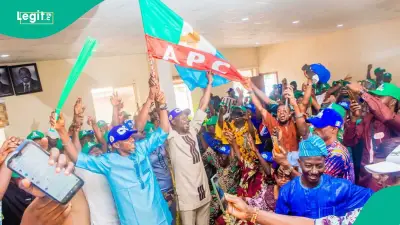
Rabiu Kwankwaso, the national leader of the New Nigeria Peoples Party (NNPP), arrived first at the market scene, where he received an enthusiastic welcome from a large crowd of supporters. The former governor's appearance was marked by cheering and visible displays of affection from market traders and residents, underscoring his enduring political relevance in Kano despite his estrangement from the current administration.
Hours after Kwankwaso's departure, Governor Abba Kabir Yusuf made his own visit to the same location. The governor was similarly greeted by a welcoming crowd, though the political context had shifted significantly since his recent defection from the NNPP to the ruling All Progressives Congress (APC). During his visit, Governor Yusuf immediately offered government intervention and promised financial support to the traders affected by the fire disaster.
Political Significance Amid Growing Tensions
The separate market visits occurred against a backdrop of increasing political tension in Kano State. Governor Yusuf's recent defection from the NNPP to the APC has created a significant rift between him and his former political godfather, Rabiu Kwankwaso. This development has reshaped the political dynamics in the state, with both leaders now positioning themselves for influence ahead of future elections.
Observers noted that Kwankwaso's warm reception at the market served as a powerful reminder that his political influence remains substantial in Kano. The former governor's ability to command such public support demonstrates that he continues to be a major force in the state's politics, capable of mobilizing significant followings despite the current administration's shift in political allegiance.
Public Reactions and Political Analysis
The visits generated considerable discussion on social media and among political analysts. Supporters of Kwankwaso praised his continued popularity, with some suggesting that his influence could significantly impact upcoming elections in the state. One commentator noted that Kwankwaso's genuine connection with the people of Kano represents a political movement rather than just individual leadership.
Other observers speculated about the strategic implications of these visits, suggesting that Kwankwaso might be laying groundwork for future political campaigns. The separate appearances at the same location created a natural comparison of political strength between the two leaders, with each seeking to demonstrate their connection to the people of Kano during a moment of community crisis.
Broader Political Context
This public display of political strength comes amid reports of failed negotiations between Kwankwaso and the APC leadership. Sources indicate that discussions between the NNPP leader and the ruling party faltered over what were described as unrealistic demands from Kwankwaso's camp. Governor Yusuf's subsequent defection to the APC was viewed by many as a significant political development that has reshaped alliances in the state.
The market visits also highlighted the complex nature of political loyalty in Nigerian politics, with relationships between political godfathers and their proteges often shifting based on changing circumstances and strategic calculations. As both leaders prepare for future political contests, their ability to maintain public support will be crucial to their political fortunes in Kano and beyond.