In a significant move to address dangerous chemical pollution, the Federal Government of Nigeria has officially opened a new facility dedicated to the safe disposal of Polychlorinated Biphenyls (PCBs). The commissioning of the Environmentally Sound Management and Disposal of PCBs Treatment Centre marks a pivotal moment in the nation's environmental protection efforts.
A Strategic Partnership for a Safer Environment
The treatment centre, situated at the Sheda Science and Technology Complex (SHESTCO) in Kwali, Abuja, was inaugurated on Thursday, 18 December 2025. This critical project is the result of a collaboration between the Federal Ministry of Environment and the United Nations Development Programme (UNDP), with crucial financial backing from the Global Environment Facility (GEF).
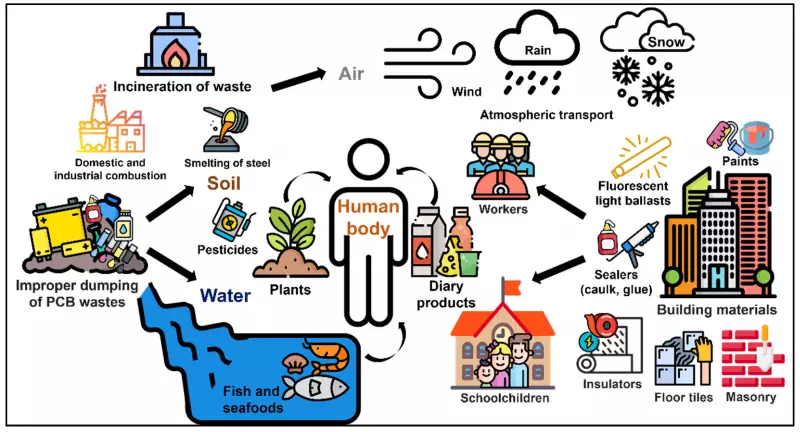
During the opening ceremony, the Minister of Environment, Balarabe Abbas Lawal, emphasized the centre's role in fulfilling Nigeria's commitment to environmental sustainability and public health. He highlighted that PCBs are highly hazardous pollutants linked to severe health issues like cancer and reproductive disorders, as well as long-term ecosystem damage.
"This PCB treatment facility is a direct demonstration of our dedication to meeting these obligations and building lasting institutional capacity," Lawal stated. The facility will enable the decontamination of PCBs, preventing further pollution of soil, water, and food systems, thereby reducing health risks for nearby communities.
National Priority and Regional Leadership
The minister noted that this initiative aligns with Nigeria's national development goals and its commitments under the Stockholm Convention on Persistent Organic Pollutants. He revealed that the Abuja facility is one of only two such centres in all of Africa, and plans are underway to establish similar units across Nigeria's six geopolitical zones.
Key achievements under the project include:
- The development of policies and guidelines to strengthen chemical and waste regulation.
- Training for government agencies and private operators on the safe handling and transport of PCB-contaminated materials.
- Conducting national inventories to support evidence-based decision-making.
Lawal expressed gratitude to the GEF for funding and the UNDP for technical leadership, stressing that "Funding without expertise could easily be wasted."
A Milestone for West Africa and Sustainable Development
The UNDP Resident Representative in Nigeria, Ms. Elsie Gyekyewaa Attafuah, celebrated the launch as a national and regional milestone, declaring it West Africa's first-ever PCB treatment facility.
"This is a powerful demonstration of Nigeria’s leadership and commitment to environmental sustainability, public health protection, and global compliance," Attafuah said. She outlined three major outcomes of the project:
- The establishment of a state-of-the-art facility meeting international standards.
- Nigeria's emergence as a regional model for sound hazardous waste management.
- The creation of economic opportunities through skills development and technology transfer.
She connected the initiative to broader Sustainable Development Goals focusing on health, clean energy, responsible consumption, and climate action. "As we celebrate this achievement, we reaffirm our shared vision of a future where environmental responsibility drives economic growth and social well-being," Attafuah concluded.
The project also received commendation for effective governance continuity, with thanks extended to SHESTCO management, project contractors from Malaysia, and local community leaders for their cooperation.