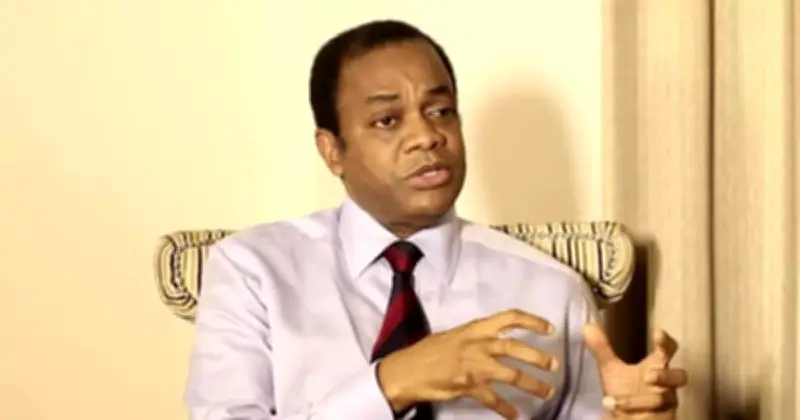
Former Cross River State governor and 2023 Peoples Redemption Party (PRP) presidential candidate, Donald Duke, has declared that Nigeria cannot afford the Lagos-Calabar Coastal Highway project, arguing that the country's current economic realities do not justify such a massive expenditure. Speaking on Arise TV's Prime Time programme on Tuesday, Duke questioned the Federal Government's decision to proceed with the multi-billion-dollar project, suggesting that the road is unlikely to extend beyond Epe in Lagos State.
Duke: Fix Existing Roads First
Duke emphasised that Nigeria already has a road connecting Lagos and Calabar, which he has driven on several times. Instead of building a new coastal highway, he urged the government to repair the existing road network. "There is already a road from Lagos to Calabar; if the road is poor, fix it," he said, adding that some government expenditures do not reflect the realities of the country's circumstances.
The former governor also raised concerns about the engineering challenges of extending the highway through the Niger Delta, particularly Bayelsa State, which is largely swampy and riddled with creeks. He noted that constructing a coastal road through such terrain would require numerous bridges, significantly inflating the project's cost.
Redirect Funds to Electricity, Healthcare, Education
Duke argued that the funds allocated to the highway project could be better spent on improving electricity supply, healthcare, and education. He described the current funding for Nigeria's health sector as inadequate for a country of over 200 million people. "Last year, I think the capital budget that was released for health was barely 36 million naira, and this came from the minister himself. That's pathetic for a country of 230 million people," he added, also criticising the underfunding of the school system.
The Federal Government initiated the 700-kilometre coastal road project to link Lagos to Cross River through several southern states. While supporters argue it will boost connectivity, tourism, and trade, critics have questioned its cost, funding model, and economic priority, especially given Nigeria's fiscal challenges.
Call for Revenue System Reforms
Beyond the highway project, Duke called for reforms in Nigeria's revenue generation system. He argued that relying mainly on taxes from company profits limits government earnings because businesses naturally seek to reduce taxable profits. He suggested expanding other revenue sources, including transaction-based taxes, while insisting that the government must first set the right priorities.
On energy, Duke said affordable electricity remains one of the biggest drivers of economic growth. He noted that Nigeria is blessed with vast energy resources, including hydro, gas, solar, petroleum, and lithium, but has failed to harness them for the benefit of ordinary citizens. Making energy affordable, he argued, would boost productivity, lower the cost of doing business, and improve the quality of life for millions of Nigerians.
Project Faces Criticism Over Cost and Terrain
The Lagos-Calabar Coastal Highway, being constructed by the Federal Government, is designed as a 700-kilometre coastal road linking Lagos to Cross River. The project has faced severe criticism regarding terrain challenges in the Niger Delta and the total project costs. Duke's remarks add to the growing debate over whether the project is a prudent use of national resources, especially when many Nigerians lack basic amenities like reliable electricity and quality healthcare.
According to Duke, government spending should reflect the country's most pressing needs rather than embarking on projects that Nigerians can barely afford. "There are some expenditures we make that do not reflect the realities of our circumstances. The amount spent on that road could be better spent providing electricity or upgrading the healthcare system," he said.