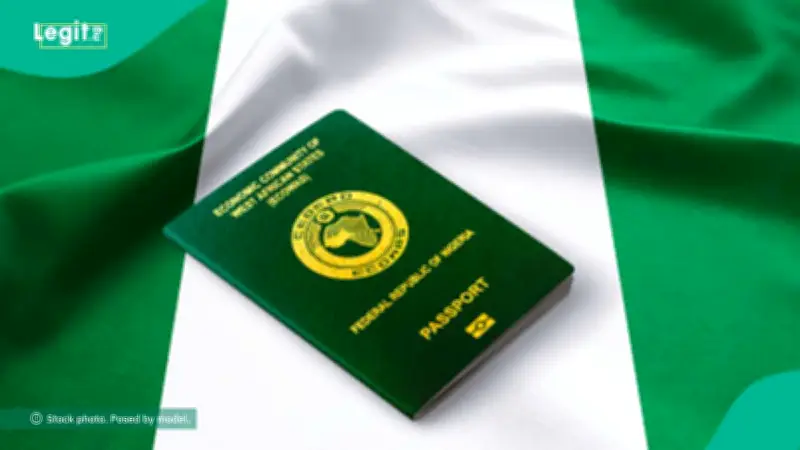
Recent reports claiming Nigerians have lost visa-free access to 20 destinations have sparked renewed attention on the country's passport strength, but a closer look at the data shows the comparisons may be misleading. According to a new IziVisas assessment, Nigeria ranks 181st globally and 47th in Africa, with passport holders able to enter 24 destinations without a visa, obtain visas on arrival in 16, and access 43 through electronic visas.
Understanding the Visa-Free Access Figures
The IziVisas assessment lists Nigeria's 24 visa-free destinations separately from its 16 visa-on-arrival destinations. Together, these give Nigerian passport holders a mobility score of 40 destinations accessible without obtaining a visa before departure. The 43 electronic visa destinations form a separate category and are excluded from that continental score.
Nigeria ranks 47th among the 54 African passports assessed, placing it near the bottom of the continental table. These figures underline the relatively narrow range of destinations available to Nigerians without advance visa approval.
For travellers planning holidays, family visits, or business trips, the reports raise an immediate concern: whether journeys previously possible without advance visa applications now require additional paperwork and approval.
African Peers Enjoy Wider Access
Several African countries offer their citizens substantially broader travel access under the same IziVisas assessment. Seychelles leads with 124 destinations accessible through visa exemptions or visas on arrival. Mauritius follows with 114, while South Africa records 88. Morocco and Botswana have scores of 66 and 63, respectively. Ghana, with 56 destinations, also stands ahead of Nigeria's 40.
These comparisons illustrate the gap between Nigerian passport holders and citizens of better-ranked African countries using a common measure of travel access.
Why the Claim of 20 Lost Destinations Needs Caution
Despite the striking figures, the comparison does not establish that 20 destinations have newly withdrawn visa-free entry for Nigerians. The central problem is that the Henley Passport Index and IziVisas use different methodologies and destination coverage. Their headline positions cannot be treated as successive results from one ranking.
Henley assesses 199 passports against 227 destinations. Its access score includes visa-free entry and qualifying visas on arrival, visitor permits, and electronic travel authorities. Government-approved electronic visas required before departure do not earn a point under its methodology. Consequently, its score of 44 does not mean all 44 destinations allow entry entirely without a visa.
Comparing that broader score with IziVisas' 24 strictly visa-free destinations produces a numerical difference of 20, but it does not demonstrate that travel privileges were withdrawn. Likewise, Nigeria's 90th position in Henley and reported 181st position in IziVisa cannot establish a 91-place fall.
No Verified List of Newly Restricted Destinations
A confirmed loss of access would require a list identifying the affected destinations, their previous requirements, the replacement rules, and the dates those changes became effective, according to a report by Punch. The figures used in this comparison do not provide that evidence. Publishing a list of 20 newly restricted destinations on this basis would therefore be misleading.
For travellers, the practical issue remains the entry requirement applicable to each journey. IziVisas advises checking with the relevant embassy, consulate, or official portal before booking. Nigeria's limited passport access is clear, but claims of 20 newly lost visa-free destinations remain unsubstantiated by the cited data alone.