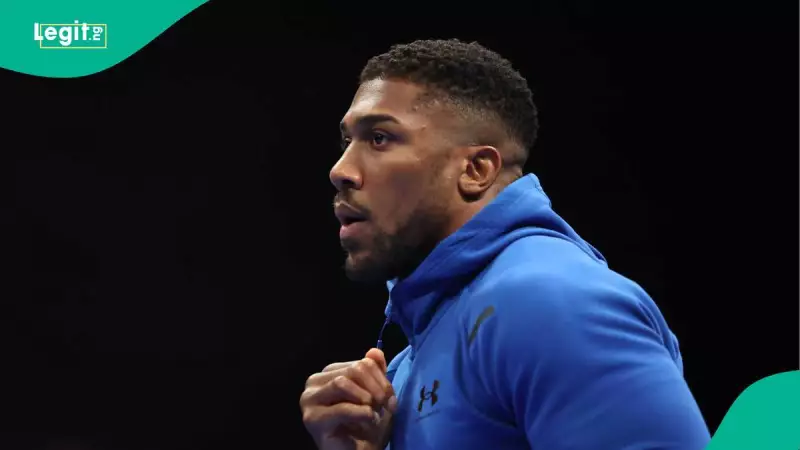
Ambassadorial nominee Reno Omokri has ignited a national conversation after sharing a video of the private medical facility where Nigerian-British world boxing champion Anthony Joshua reportedly received treatment following a recent tragic accident.
Video Reveals Treatment Location
The former presidential aide, recently cleared by the National Assembly for an ambassadorial posting, took to social media to post footage of Duches International Hospital in Lagos. According to Omokri's post, this was the facility where Anthony Joshua was treated after the road accident that occurred on Monday, December 29. The unfortunate incident claimed the lives of two of the boxer's friends who were traveling with him.
Omokri's Claim and Public Backlash
While sharing the clip, Omokri praised the hospital's capabilities, stating it performs "world-class" complex surgeries like open-heart and lung operations. He used this to make a broader claim that Nigeria has the best healthcare. This assertion, however, has been met with swift and mixed reactions from Nigerians online, many of whom questioned the politician's motives and the statement's accuracy.
The public response highlighted a deep-seated frustration with the country's health sector. Many commenters pointed out the stark difference between private facilities like the one shown and the underfunded public hospitals used by the vast majority of citizens.
Nigerians React: Praise, Critique, and Questions
The video sparked a lively debate, with several key themes emerging from the reactions:
HRM King Emeka acknowledged Nigeria's "fantastic private hospitals" but stressed the critical need for "Affordable Healthcare for everyone." This sentiment captures the core of the public's concern: accessibility.
Obiefule Kingsley directly challenged Omokri's claim, asking, "What do you mean by Nigeria has the best healthcare?...but your presidents don't patronise them when they're ill." This comment underscores a common public perception of a disconnect between the political elite and the services available to ordinary Nigerians.
Eboda Muyiwa posed pointed questions about equity: "Is this world-class facility accessible by 99 per cent of the population? Do you get this level of care at government hospitals?"
Others, like Fowosere Gafar, urged that the situation not be turned into a political tool, stating, "Everything shouldn't be a campaign strategy." Meanwhile, some, including Meekay, commended the effort to showcase local medical excellence, noting Nigeria has "good surgeons and whatnot" but needs to "take things seriously."
The incident, centered on a high-profile figure like Anthony Joshua, has inadvertently turned into a referendum on the state of Nigeria's healthcare system, exposing the gap between premium private care and the struggling public infrastructure.