Inside PBAT's Policy Vision for Unity, Reform, and National Renewal
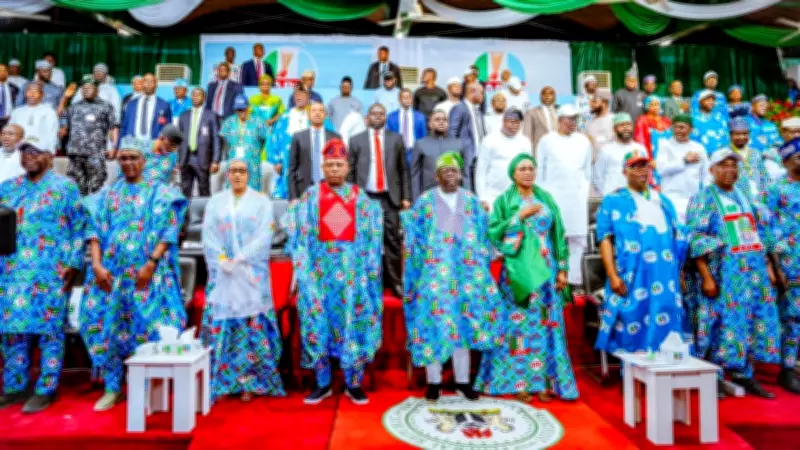
It was a distinct honor to serve on the Convention Planning Committee for the 4th Elective National Convention of the All Progressives Congress (APC), held at Eagles Square in Abuja. The event was exceptionally well-organized, seamless, and purposeful, reflecting the party's maturity and strength built over years of dedicated effort. The coordination, attention to detail, and commitment from all involved were truly commendable, making the convention a resounding success.
A Speech Beyond Politics: A Clear Policy Roadmap
Listening to the speech delivered by His Excellency, President Bola Ahmed Tinubu, was genuinely inspiring. This was not merely a political address but a definitive policy statement that outlined governance priorities and a strategic roadmap for Nigeria's future. The speech balanced an honest acknowledgment of current challenges with a confident vision for reform, setting a clear direction for the nation.
Unity as the Foundation for Progress
From a policy perspective, President Tinubu strongly emphasized unity as the cornerstone of national progress. This goes beyond political rhetoric, recognizing that effective policy implementation in Nigeria requires cooperation across regions, institutions, and political interests. Without unity, even the most well-intentioned policies falter at execution. By centering unity, the President signals that governance success hinges on collective responsibility, not just governmental action.
Strengthening Institutions for Sustainable Development
Another critical theme was institutional strengthening. The President clarified that the APC was established not just as an electoral vehicle but as a platform for national transformation. This aligns with a policy direction that prioritizes robust institutions over individuals. When institutions function properly, policies become sustainable, transparent, and more effective over time, ensuring long-term development.
Democracy and Political Competition
On democracy, President Tinubu's stance was instructive. He openly rejected the notion of a one-party state and acknowledged the importance of a credible opposition. From a governance standpoint, this is vital because strong opposition enhances policy quality, compelling the government to think critically, defend decisions, and remain accountable. This reinforces democratic stability and bolsters policy credibility both domestically and internationally.
Rule of Law and Electoral Integrity
The section addressing the Electoral Act underscored a commitment to the rule of law and due process. By highlighting that the law underwent legislative scrutiny and public participation, the President reinforced the legitimacy of the electoral framework. This is crucial for investor confidence and political stability, as credible elections form the backbone of a functioning democracy.
The Renewed Hope Agenda: A Governing Philosophy
One of the most significant aspects was the explanation of the Renewed Hope Agenda as a governing philosophy, not just a campaign slogan. This distinction is important, indicating that policies are guided by a clear framework rather than being random or reactive. The emphasis on difficult but necessary reforms, such as removing unsustainable subsidies and correcting economic distortions, reflects a long-term approach to economic management.
Economic Reforms and Infrastructure Development
The President's economic policy direction was evident in his discussion of reforms and results. He highlighted improvements in infrastructure, including roads, seaports, and airports. These are not merely physical projects but productivity enablers that reduce business costs, enhance trade, and support economic growth. Additionally, tax and fiscal reforms were addressed as key policy areas, aiming to create a more efficient and fair system that supports growth while increasing government revenue for development funding.
Social Investment and Macroeconomic Stability
A notable policy signal was the focus on social investment programs, demonstrating awareness that reforms can be challenging for citizens in the short term. These programs help cushion impacts and ensure vulnerable populations are not left behind, balancing reform with social protection for sustainable success. The President also touched on macroeconomic stability, citing improvements in foreign exchange buffers, trade surpluses, declining inflation, and growing investor confidence. Stability creates a predictable environment for businesses, investors, and households, fostering economic resilience.
Addressing Energy Challenges and Youth Inclusion
Energy and electricity challenges were openly acknowledged, with the proposed establishment of the Grid Asset Management Company indicating a policy move towards restructuring and investing in transmission infrastructure. Addressing this issue will have wide-ranging impacts across industries, job creation, and overall economic performance. Furthermore, the President emphasized youth inclusion, portraying young people as present-day contributors and decision-makers rather than just the future. This shift towards inclusive governance is both necessary and strategic given Nigeria's demographics.
Gender Inclusion and Party Discipline
Similarly, the message to women reflected a policy direction towards gender inclusion. Expanding opportunities for women in leadership and governance improves decision-making, strengthens institutions, and contributes to economic development, with empowerment recognized as a key driver of national progress. The President also focused on internal party democracy and discipline, which has policy implications as strong party structures often translate into more organized governance, clearer policy direction, and better accountability within government systems.
Ethical Governance and Long-Term Vision
His closing message about integrity, leadership, and responsibility for those elected at the Convention reinforced the importance of ethical governance. Policies can only succeed when leaders implement them with sincerity, discipline, and a sense of responsibility to the people. Overall, the speech presents a government focused on long-term reforms, institutional strength, economic stability, and inclusive growth. It acknowledges challenges as part of a necessary transition towards a stronger and more resilient Nigeria, combining political messaging with clear policy direction to leave a strong sense of commitment to measurable progress for all Nigerians.