Peter Obi Points to Politicians as Nigeria's Fundamental Challenge
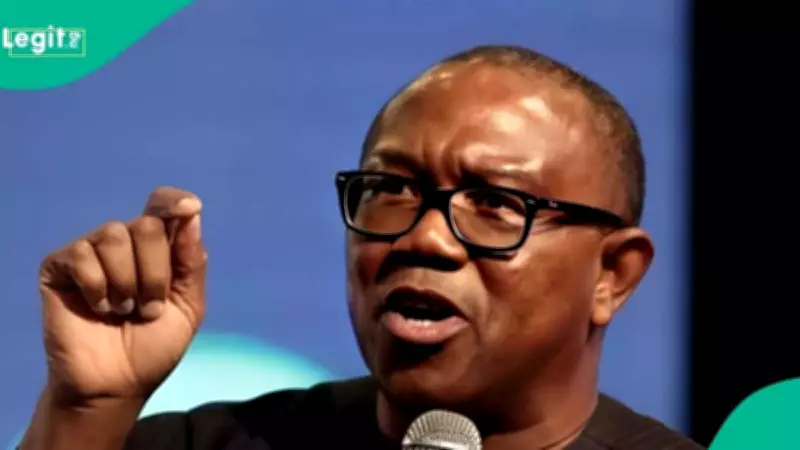
In a significant address ahead of the 2027 general elections, Peter Obi, the prominent Labour Party chieftain and former presidential candidate, has made a candid declaration about Nigeria's governance challenges. Speaking during Oyo State's 50th anniversary celebrations, Obi directly identified politicians as the primary obstacle to national progress.
Obi's Call for Divine Intervention in Nigerian Politics
During the Thanksgiving service held at the Cathedral of St. Peter Anglican Church in Aremo, Ibadan, on Sunday, January 1, 2026, Obi made an emotional appeal to Nigerian citizens. The political leader requested that Nigerians include politicians in their daily prayers, acknowledging that those in political office bear responsibility for the country's governance deficiencies.
"I want to make a request from Nigerians," Obi stated. "Please, do remember us politicians in your prayers. We are the problem of Nigeria. Nigeria is not a poor country; it is poorly-governed. Remember us in your prayers that God should touch our hearts to use public money for public good."
This remarkable admission comes as political activities intensify in preparation for the 2027 elections, with Obi positioning himself as a potential presidential contender once again. His message underscores a growing public sentiment about accountability and ethical governance in Nigerian politics.
Oyo State's Golden Jubilee Celebrations and Honours
The event where Obi spoke formed part of Oyo State's extensive 50th anniversary commemorations. Governor Seyi Makinde's administration has organized a series of activities to mark this significant milestone, including special recognition for distinguished individuals who have contributed to the state's development.
In a notable gesture, the Oyo State government announced posthumous nominations for late Professor Ojetunji Aboyade, one of Nigeria's most respected economists and public intellectuals, alongside his daughter, Olufunke Aboyade (SAN). The formal recognition acknowledges their enduring contributions to Oyo State's growth and international reputation.
The award presentation ceremony, scheduled for Tuesday, February 3, 2026, at the Oyo State Banquet Hall in Government House, Agodi, Ibadan, will represent the climax of the anniversary celebrations. This event symbolizes the state's commitment to honoring excellence and legacy.
Obi's Appreciation for Oyo State's Development Progress
Following his participation in the anniversary events, Peter Obi took to his verified social media platform to express gratitude to Governor Seyi Makinde for the invitation to speak. In his post, Obi commended the visible infrastructural development occurring throughout Oyo State under Makinde's leadership.
"His performance is widely discussed and appreciated by Oyo people wherever they are," Obi remarked about Governor Makinde's administration. The Labour Party figure further encouraged Oyo State residents to continue supporting their governor's development initiatives.
This public endorsement from a prominent opposition figure highlights the bipartisan recognition of developmental achievements in Oyo State, even as national political tensions continue to simmer ahead of the 2027 electoral cycle.
Contextualizing Nigeria's Governance Challenges
Obi's statements resonate deeply within Nigeria's current political landscape, where citizens increasingly demand transparency and accountability from elected officials. His acknowledgment that "Nigeria is not a poor country; it is poorly-governed" echoes widespread frustrations about resource management and public service delivery across the nation.
The call for prayers represents both a spiritual appeal and a political strategy, recognizing the significant role that religious faith plays in Nigerian society while simultaneously addressing governance concerns. As the 2027 elections approach, such messages are likely to shape political discourse and voter expectations.
Oyo State's concurrent celebrations provide a contrasting backdrop to these national political discussions, demonstrating how subnational governance can proceed with development initiatives even amid broader national challenges. The state's recognition of distinguished citizens like the Aboyade family illustrates a commitment to honoring intellectual and professional excellence.
As Nigeria navigates its complex political terrain, statements from figures like Peter Obi continue to influence public discourse about governance, accountability, and national development priorities. The intersection of political commentary with state-level celebrations creates a multifaceted narrative about Nigeria's present realities and future aspirations.