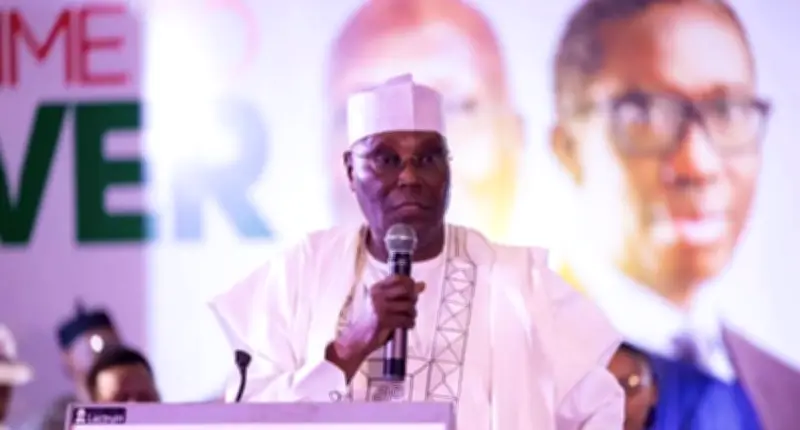
The Nigerian Presidency has challenged former Vice President Atiku Abubakar to make public the evidence behind his assertion that the federal government earned an N7.98 trillion oil windfall. The challenge, issued through a statement, casts doubt on the claim and insists that the burden of proof rests on the opposition figure.
Atiku, a two-time presidential candidate who ran on the platform of the Peoples Democratic Party (PDP), had previously alleged that the government was not transparent about revenue accruing from crude oil sales. His statement quickly gained traction among critics of the current administration, who have demanded an independent audit of oil revenues.
Presidency's Response
In its response, the Presidency said that while it welcomed constructive criticism, such serious allegations must be backed by verifiable facts. It asked Atiku to provide details of how he arrived at the N7.98 trillion figure, including the source of the data and the period under review.
The Presidency also noted that the current administration has been open about its financial operations, pointing to public announcements of revenue distributions by the Federation Account Allocation Committee (FAAC). The statement urged Atiku to engage with official records rather than make speculative statements that could undermine investor confidence.
A Recurring Critique
This is not the first time Atiku has leveled corruption and mismanagement charges against the government. During the 2023 election campaign, he repeatedly promised to address the country's economic challenges, including revenue leakages. His party, the PDP, has consistently criticized the ruling All Progressives Congress (APC) over its handling of the economy.
The oil windfall claim comes amid a period of high crude oil prices on the global market. Nigeria, which boasts significant oil reserves, has seen a boost in revenues in recent months. However, opposition figures argue that the benefits are not reaching the masses, as many Nigerians continue to struggle with poverty and unemployment.
Economists have weighed in on the matter, with some calling for a forensic audit of oil revenues to ensure accountability. Others have cautioned against political grandstanding, stressing that proper documentation is essential for any credible claim.
Political Implications
The Presidency, however, remains defiant. It has instructed Atiku to submit any supporting documents to the relevant anti-corruption agencies if he has evidence, thereby turning the tables on the accuser. This move is seen as an attempt to expose the flimsiness of the claim.
Political analysts believe the dispute could further polarize the political landscape, especially as preparations for the next general elections begin. They also note that the Presidency's reaction demonstrates its unwillingness to tolerate what it perceives as baseless attacks.
Public Reactions
The claims and counter-claims have sparked reactions from various stakeholders. Human rights groups have called for an impartial investigation to ascertain the truth, while supporters of both parties have taken to social media to defend their positions. The development has dominated media discourse, with many Nigerians demanding transparency in the management of oil wealth.
In conclusion, the ball is now in Atiku's court to provide the evidence he claims to have. Until then, the public remains divided over the veracity of the N7.98 trillion oil windfall allegation, and the political repercussions continue to unfold.