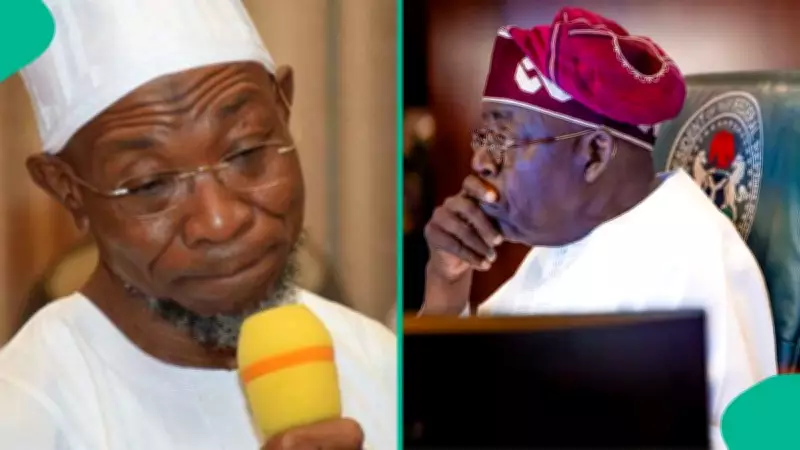
Presidency Fires Back at Aregbesola Over Tinubu Comments
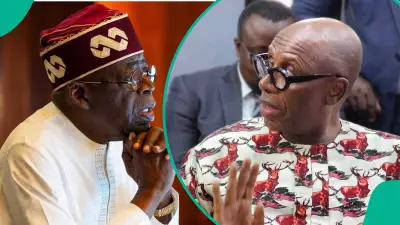
The presidency has issued a sharp rebuke against Rauf Aregbesola, the former Minister of Interior and ex-governor of Osun State, following his critical remarks about President Bola Tinubu in the lead-up to the 2027 general election. Aregbesola, once a close ally of Tinubu, has publicly denounced the president's "Renewed Hope" agenda, labeling it a scam and urging Nigerians to be wary of his former mentor.
Background of the Political Rift
The fallout between Aregbesola and Tinubu stems from the 2022 governorship election in Osun State, where their political alliance fractured. Subsequently, Aregbesola aligned with a coalition led by former Vice President Atiku Abubakar, which later adopted the African Democratic Congress (ADC) as its platform, appointing Aregbesola as national secretary. At the ADC national convention in Abuja on April 1, Aregbesola escalated his criticism, directly challenging Tinubu's leadership and policies.
Presidency's Counterattack
In response, Bayo Onanuga, the Special Adviser to the President on Information and Strategy, launched a detailed critique of Aregbesola's own record. Onanuga highlighted Aregbesola's tenure as governor of Osun State, where he implemented a policy of paying half salaries, plunging the state into significant debt and causing hardship for workers and pensioners. The presidency argued that this mismanagement has left a lasting negative impact on the state's economy and social welfare.
Furthermore, Onanuga pointed to Aregbesola's time as Minister of Interior, noting that Nigeria experienced its highest number of jailbreaks during his watch. Specific incidents cited include the infamous Kuje Prison escape in Abuja and 15 major attacks on correctional facilities across locations such as Jos, Abolongo, Imo, Kabba, and Okitipupa. These events resulted in over 4,000 inmates escaping, many of whom reportedly joined criminal networks, exacerbating insecurity in the country.
Onanuga's statement emphasized that obtaining a Nigerian passport became a cumbersome and frustrating process under Aregbesola's leadership, further tarnishing his administrative legacy. The presidency concluded that Aregbesola lacks the moral authority to critique President Tinubu's handling of security issues, given these documented failures.
Public Reactions and Broader Implications
The exchange has sparked widespread reactions from Nigerians, with many taking to social media and other platforms to voice their opinions. Some critics, like Umar Muhammad Yakubu, have pointed to ongoing insecurity under Tinubu's administration, questioning the effectiveness of current policies. Others, such as Nwach, have accused the presidency of hypocrisy, suggesting that Tinubu himself poses a threat to Nigeria's democracy.
Conversely, supporters of the presidency have echoed Onanuga's sentiments, with figures like Ogbontarigi condemning Aregbesola's past actions, including allegations of financial mismanagement during his governorship. This political spat underscores the deepening divisions within Nigerian politics as the 2027 election approaches, with key figures from the ruling and opposition camps clashing over governance records and future directions.
The controversy also highlights the personal and professional histories that shape political narratives in Nigeria, as former allies turn into vocal adversaries. As the debate continues, it remains to be seen how this will influence public perception and electoral dynamics in the coming years.