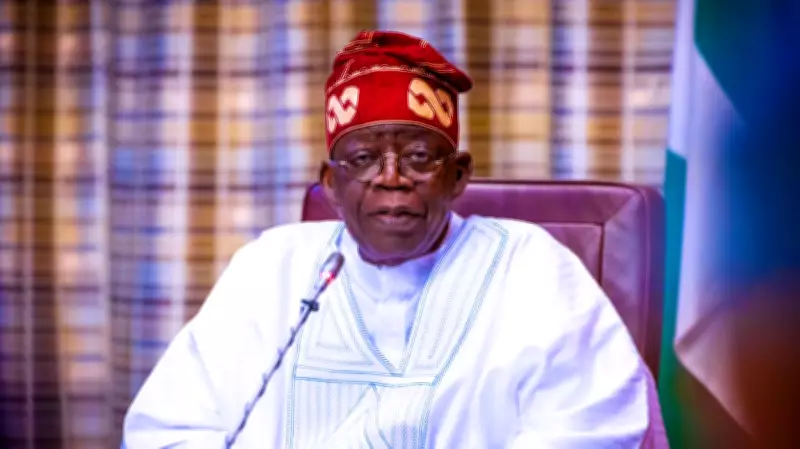
Renewed Hope Agenda Must Deliver Tangible Results for Nigerians
In every generation, nations encounter pivotal moments that require decisive action and clear vision. Nigeria currently stands at such a critical juncture. The reforms launched by President Bola Tinubu represent more than simple policy adjustments; they are challenging yet essential measures aimed at securing long-term stability and economic prosperity for the country.
Impact of Reforms Across the Nation
From Akwa Ibom State to other regions, the effects of these reforms are becoming increasingly visible. Families are navigating financial adjustments, businesses are operating under heightened pressure, and public expectations are being rigorously tested. It is crucial to acknowledge these immediate realities while keeping sight of the overarching goal: to address deep-seated structural issues that have impeded Nigeria's growth for decades.
What distinguishes this reform initiative is its focused effort to bridge the gap between policy decisions and the everyday lives of citizens. As highlighted by Governor Hope Uzodimma, the Director General of the Renewed Hope agenda, the established structures are not inactive. He described them as "alive, active, coordinated" and already producing measurable political and civic benefits. This underscores a strategic approach that extends beyond policy-making in Abuja to involve active participation at the local level.
Grassroots Engagement and Data-Driven Framework
With structures now operational across local governments and electoral wards, and enumeration processes ongoing down to the polling unit level, there is a clear push to create an organized, data-driven system for citizen outreach. Importantly, the emphasis on delivering messages directly to markets, schools, professional associations, women's groups, and religious organizations reflects an understanding that reforms can only succeed when they are clearly explained, widely understood, and embraced by the people.
Such mobilization is particularly vital during periods of economic transition, where public trust can quickly diminish without consistent and transparent engagement. At the subnational level, leaders like Governor Umo Eno of Akwa Ibom are demonstrating empathy and pragmatism by implementing measures to mitigate the effects of national reforms while fostering sustainable state-level growth.
Institutional Support and Accountability
Nationally, the legislative branch plays a key role in this process. Senate President Godswill Akpabio provides essential institutional support to ensure that reforms are not only introduced but also maintained through effective legislation and oversight. However, advocacy must be paired with accountability. Hope cannot rely solely on structural frameworks and messaging; it must manifest as concrete improvements in citizens' lives, including job creation, stability, and expanded opportunities.
The path forward for Nigeria is evident. Through coordinated leadership, sustained engagement, and a steadfast commitment to delivering results, these reforms have the potential to drive meaningful progress. The Renewed Hope agenda is not primarily about political maneuvering but about purposeful action; not focused on elections but on national renewal; not centered on slogans but on the ethical and political skill needed to translate President Tinubu's vision into widespread comprehension and enduring democratic support.