Senate Emergency Session Erupts in Chaos Over Electoral Act Amendment
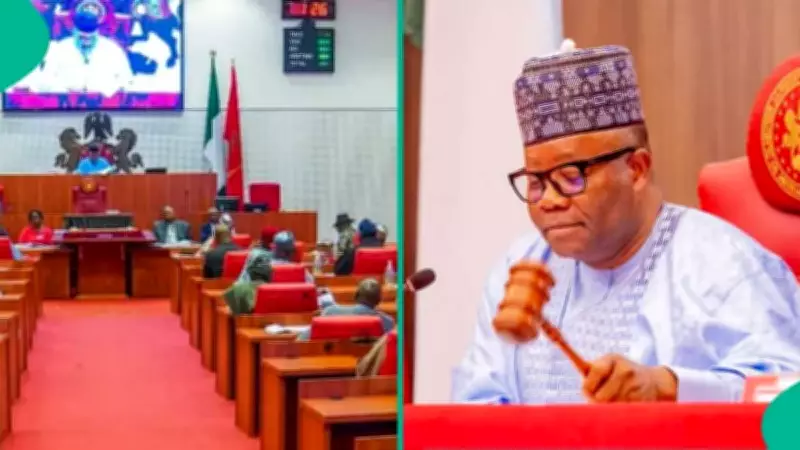
The hallowed chambers of the Nigerian Senate transformed into a scene of pandemonium on Tuesday during an emergency plenary session convened to adopt the Votes and Proceedings from the February 4 sitting. The session, which was meant to address procedural matters, quickly descended into heated exchanges and parliamentary disorder as senators clashed over a critical amendment to the nation's electoral law.
Controversial Removal Sparks Legislative Uproar
The root of the disruption centered on the Senate's previous decision to remove a crucial provision from the Electoral Act amendment bill. This provision would have mandated real-time electronic transmission of election results directly from polling units to the Independent National Electoral Commission's Result Viewing Portal. The removal of this clause has generated significant public concern about electoral transparency and credibility in future elections.
According to parliamentary reports, tension escalated when Senate President Godswill Akpabio read out details of the proposed amendment to Section 60(3) of the Electoral Act. This occurred shortly after Senator Tahir Monguno, representing Borno North under the All Progressives Congress, moved a motion under Order 1(b) 52(6) urging the Senate to reconsider and rescind its earlier decision regarding the electronic transmission clause.
Parliamentary Procedure Becomes Battleground
The legislative debate took a dramatic turn when some lawmakers expressed strong discomfort with specific wording in the new proposal, leading to intense exchanges on the Senate floor. The situation reached a critical point when Senator Eyinnaya Abaribe raised a point of order, formally calling for individual voting by senators under Order 70, citing clear division among members on this fundamental electoral issue.
In a surprising development, Senator Abaribe later withdrew his request for individual voting amid concerns that such a procedural move could potentially stall the entire amendment process for Clause 60(3). This withdrawal came as lawmakers grappled with balancing parliamentary procedure against the urgent need to address electoral reforms that have captured national attention.
Committee Formation Amid Continuing Controversy
Meanwhile, in an effort to move the legislative process forward, the Senate appointed twelve members to work collaboratively with the House of Representatives on the comprehensive Electoral Amendment Act. Senate President Godswill Akpabio announced the committee members during the same emergency plenary session, with notable appointments including Senator Orji Uzor Kalu and Senator Tahir Monguno, who had earlier moved the motion to reconsider the electronic transmission clause.
The emergency session itself was convened following a memo dated February 8 that was circulated to all senators, directing their return for this special sitting. The notice, signed by Clerk of the Senate Emmanuel Odo, indicated the action was taken on the direct instruction of Senate President Akpabio, reflecting the urgency surrounding this electoral legislation.
Broader Political Context and Reactions
The Senate's decision to revisit the Electoral Act amendments comes amid mounting public pressure and growing outrage over the removal of "real-time" provisions from the electronic transmission framework. This legislative controversy has sparked broader political discussions about electoral integrity, with former Kaduna State governor Nasir El-Rufai publicly criticizing the Senate's position while explaining his absence from recent protests at the National Assembly complex.
El-Rufai specifically accused the Senate of frustrating a clause that had already been passed by the House of Representatives, emphasizing that real-time electronic transmission of election results represents a critical component for ensuring credible elections in Nigeria's democratic process. The ongoing debate highlights deep divisions within the political establishment about how best to modernize Nigeria's electoral system while maintaining transparency and public trust.
As the National Assembly continues to grapple with these fundamental electoral reforms, the chaotic scenes in the Senate chamber underscore the high stakes involved in amending legislation that will shape the conduct of future elections in Africa's largest democracy.