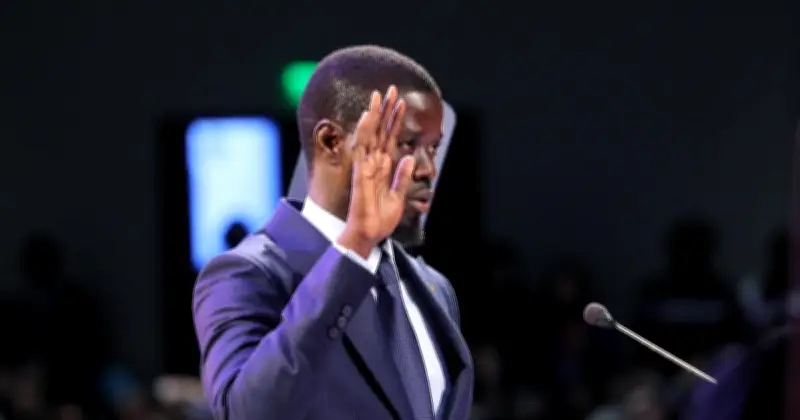
Senegal's President Bassirou Diomaye Faye has been elected the new Chairman of the ECOWAS Authority of Heads of State and Government, taking over the leadership of West Africa's regional bloc at a critical juncture. Faye was chosen during the 69th Ordinary Session of the Authority of Heads of State and Government of the Economic Community of West African States (ECOWAS) held in Freetown, Sierra Leone. He succeeds Sierra Leone's President Julius Maada Bio, who had assumed the rotating leadership from Nigeria's President Bola Ahmed Tinubu in June 2025.
Faye Takes Helm Amid Regional Crises
The 46-year-old Senegalese leader steps into office as ECOWAS grapples with escalating insecurity across parts of West Africa, democratic backsliding in some member states, and the withdrawal of Mali, Burkina Faso, and Niger. These three countries formed the Alliance of Sahel States (AES) after severing ties with ECOWAS, posing a significant challenge to regional unity. One of Faye's immediate priorities is expected to be maintaining diplomatic engagement with the AES nations while exploring avenues for renewed cooperation and stability.
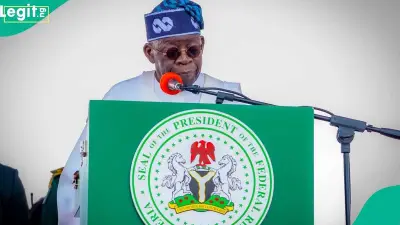
Outgoing Chairman Julius Maada Bio presided over the summit before handing over the rotating seat. Bio had taken over from President Bola Tinubu, who completed his two-term tenure as ECOWAS chairman during the 67th Ordinary Session held in Abuja.
Youthful Leadership and Reform Agenda
At 46, Faye is among Africa's youngest presidents and represents a new generation of political leadership. His emergence is anticipated to invigorate ECOWAS' reform agenda, with heightened focus on good governance, accountability, youth inclusion, and strengthening the credibility of regional institutions. According to analysts, Faye's presidency places Senegal at the center of key political, economic, and security discussions affecting West Africa.
The regional bloc continues to face pressure to remain cohesive amid internal tensions, and all eyes are on Faye to navigate one of the most challenging periods in ECOWAS' history. The 69th Ordinary Session in Freetown brought together West African leaders to address critical issues including security, trade, and political challenges.
Background and Succession
Tinubu handed over the ECOWAS chairmanship to Bio in June 2025 after serving the maximum two terms. Faye's election marks a shift in leadership as the bloc seeks to adapt to evolving geopolitical dynamics. The new chairman is expected to push reforms aimed at rebuilding trust within the West African bloc and addressing the root causes of instability.
The withdrawal of Mali, Burkina Faso, and Niger has been a major blow to ECOWAS, as these countries have historically been key members. Their exit has raised questions about the bloc's future and its ability to enforce democratic norms. Faye's diplomatic skills will be crucial in managing relations with the AES and preventing further fragmentation.