Three More Senators Defect from PDP to APC, Citing Internal Crises
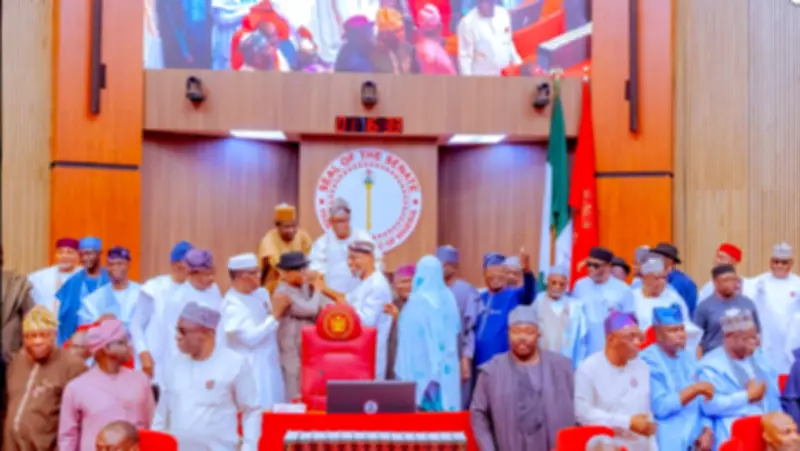
The Nigerian Senate has officially confirmed the defection of three additional lawmakers from the opposition Peoples Democratic Party to the ruling All Progressives Congress. This significant political shift was announced during a plenary session, further altering the balance of power within the upper legislative chamber.
Details of the Defecting Senators
The senators who have crossed over to the APC include Amos Yohanna, who represents the Adamawa North Senatorial District; Aminu Iya Abbas, representing Adamawa Central Senatorial District; and Ikra Aliyu Bilbis, representing Zamfara Central Senatorial District. Their formal letters of defection were presented and read aloud on the Senate floor by the President of the Senate, Godswill Akpabio, in accordance with legislative procedures.
In their communications, the lawmakers explicitly stated that their decision to abandon the PDP was primarily driven by the severe internal crises and factional disputes plaguing the party in their respective home states. They expressed frustration over the persistent infighting and lack of cohesive leadership, which they argued hindered effective representation and political stability.
Impact on Senate Composition
Following these latest defections, the numerical strength of political parties in the Senate has undergone a notable transformation. The All Progressives Congress now commands a total of 83 senators, solidifying its majority position. Conversely, the Peoples Democratic Party has seen its representation diminish to just 19 senators, marking a significant reduction in its legislative influence.
Other political parties currently represented in the Senate include the New Nigeria Peoples Party with one senator, the Social Democratic Party with one senator, the African Democratic Congress with four senators, and the All Progressives Grand Alliance with one senator. Notably, the Labour Party presently holds no seats in the chamber, reflecting its limited presence at the national legislative level.
Senate President's Commentary on Defections
Senate President Godswill Akpabio offered extensive remarks on the ongoing wave of defections, characterizing the development as a positive indicator that Nigeria is progressing in the right direction. He drew a historical comparison, recalling that during the 8th National Assembly, the APC experienced a loss of 34 members to the PDP. Akpabio emphasized that the current trend represents a dramatic reversal, with the PDP gradually emptying its ranks into the ruling party.
According to Akpabio, this shift reflects a growing confidence among political actors in the current government's policies and leadership. He suggested that the defections are not merely opportunistic but are rooted in a genuine belief in the administration's vision and governance approach.
Attribution to Economic Reforms
Akpabio further attributed the defections, in part, to the comprehensive economic reforms initiated by President Bola Tinubu. Key among these reforms are the harmonization of foreign exchange rates, the removal of longstanding fuel subsidies, and the implementation of various fiscal measures designed to strengthen Nigeria's economic management framework.
He argued that these bold policy actions have begun to yield positive outcomes, including a reduction in the dependency of state governments on excessive borrowing. Akpabio asserted that such reforms are positioning Nigeria on a sustainable path toward robust economic growth and greater fiscal resilience, thereby attracting broader political support.
The defection of these three senators underscores the ongoing realignment within Nigeria's political landscape, highlighting the challenges facing opposition parties and the consolidating influence of the ruling APC. As internal crises continue to destabilize the PDP, further defections may be anticipated, potentially reshaping legislative dynamics and political strategies in the coming months.