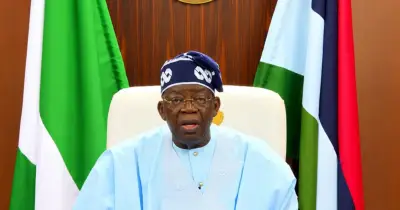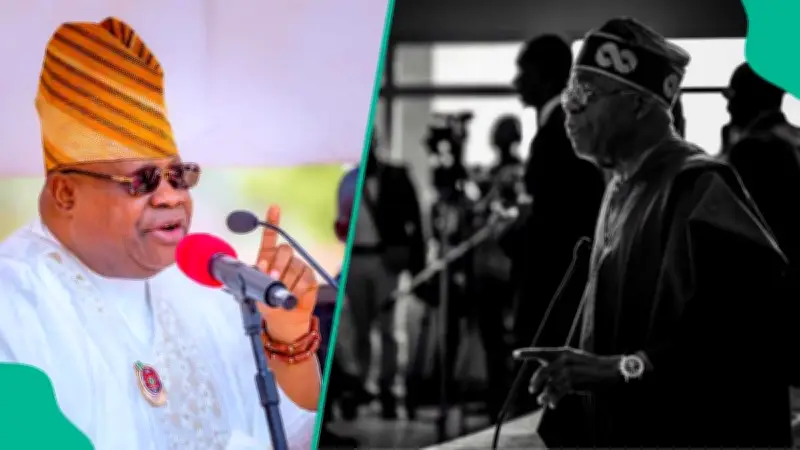
President Bola Tinubu personally called Osun State Governor Ademola Adeleke on Thursday, informing him that he had directed the Economic and Financial Crimes Commission (EFCC) to lift the court order that had frozen the state government's account. This direct intervention by the presidency marks a significant development in the ongoing dispute between the anti-graft agency and the Osun State Government.
Direct Presidential Intervention in Osun Account Dispute
The phone call, which took place on Thursday, saw Tinubu assure Adeleke that steps were being taken at the federal level to resolve the freeze on the state's account. The court order had effectively restricted Osun State's access to its funds, drawing attention given the constitutional relationship between federal agencies and state governments in Nigeria.
By reaching out to Adeleke directly and communicating the directive to the EFCC, Tinubu moved swiftly to address the situation. The EFCC, operating under federal authority, had secured the court order before the presidential directive was communicated to the Osun governor.
What the Development Means for Osun
The directive, as conveyed by Tinubu to Adeleke, suggests the federal government moved to reverse the encumbrance on the Osun State account following the presidential instruction to the anti-graft agency. Osun State, governed by Adeleke of the Peoples Democratic Party (PDP), has had a complex political relationship with the federal administration.
The presidential phone call and the accompanying directive mark a notable moment of direct communication between the two offices on a matter with significant financial implications for the state government. According to a statement from the presidency, Tinubu expressed his commitment to ensuring that the rule of law is upheld while also considering the implications for governance at the state level.
Reactions and Implications
Political analysts have noted that this intervention could set a precedent for how federal agencies interact with state governments in financial disputes. The move has been widely discussed across political circles, with some praising the president for his hands-on approach, while others question the timing and the legal implications of such a directive.
Governor Adeleke, in a brief response, thanked the president for his intervention and expressed hope that the matter would be resolved expeditiously, allowing the state to continue its development projects without interruption.
As of press time, the EFCC had not issued an official statement regarding the presidential directive, but sources within the agency indicate that they are reviewing the order and will comply accordingly.