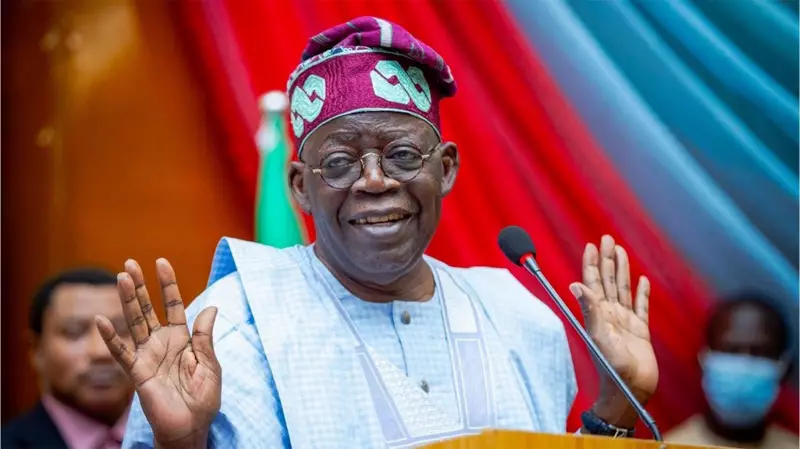
President Bola Ahmed Tinubu has made a powerful appeal for a more equitable global system that ensures African nations and communities benefit fairly from their natural resources, particularly critical minerals. The Nigerian leader also championed the establishment of ethical standards for Artificial Intelligence (AI) and comprehensive reforms of the international financial architecture.
Advocating for Justice in Global Mineral Trade
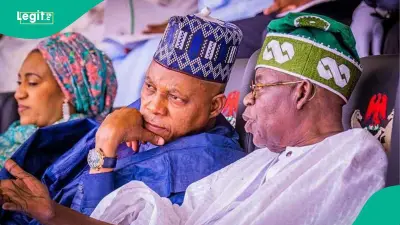
The President delivered his address at the Third Session of the 2025 G20 Leaders' Summit, which took place at the Johannesburg Expo Centre in South Africa. The summit's theme, "A Fair and Just Future for All: Critical Minerals, Decent Work, Artificial Intelligence," perfectly aligned with Nigeria's core message. Represented by Vice President Kashim Shettima, Tinubu articulated a vision where resource ownership translates to genuine prosperity.
He emphasized that for Nigeria and the wider African continent, critical minerals are not merely geological deposits but a viable pathway to industrial transformation. However, he issued a stark warning that mere ownership guarantees nothing without a framework built on fairness, transparency, and accountability in extraction and trade.
"Nigeria calls for a global framework that promotes value addition at the source, supports local beneficiation, and ensures that communities hosting these resources are not left behind," the President stated. He framed the issue as a moral imperative, stating it "goes beyond the arithmetic of economics; it speaks to the moral character of the world we aspire to build."
Ethical AI and the Future of Work
Turning to the digital frontier, President Tinubu positioned Nigeria as a strong supporter of creating global ethical standards for Artificial Intelligence. He insisted that the primary challenge for world leaders is to ensure that AI serves humanity and accelerates development without exacerbating existing inequalities.
"Nigeria supports the creation of global ethical standards for AI that uphold safety, transparency, and equity," he declared. "We must ensure that AI becomes a tool of empowerment, not exclusion, of job creation, not displacement."
To realize this potential, he called for deliberate partnerships between developed and developing nations, as well as between the public and private sectors. He urged the G20 to tackle systemic biases and enhance multilateral dialogue to ensure AI's benefits are shared equitably and its risks are managed responsibly.
Connecting these themes, the President argued that critical minerals, decent work, and AI are united by a common goal: building an inclusive economy that measures progress by the dignity it affords every person.
Urgent Call for Global Financial Reform
President Tinubu also directed the G20's attention to the pressing need for a more equitable global financial system. He highlighted the persistent debt crises and systemic constraints that stifle growth, weaken trade, and limit financial inclusion in many developing nations.
He criticized existing multilateral frameworks as relics of a bygone era, ill-suited to today's challenges. The Nigerian leader called for bold steps to reform the international financial architecture and the global institutions that sustain it.
"Only a more equitable system can manage global financial flows fairly, address recurring debt crises sincerely, and meet the needs of all nations, especially those in the Global South, who have too often stood at the margins of global opportunity," Tinubu asserted.
He warned that rising debt burdens are pushing economies into cycles of fragility, transforming local crises into global vulnerabilities. Consequently, he pressed G20 leaders to place debt sustainability and responsible mineral utilisation at the heart of their agenda for inclusive development.
In his concluding remarks, President Tinubu reaffirmed that Africa cannot shift its development trajectory without the collective resolve of the G20, particularly regarding sustainable financing for priority projects. He charged the forum with the responsibility to advance policies that drive sustainable growth and promote financial inclusion for all.