Tinubu's Swift Action Averts National Assembly Crisis
President Bola Ahmed Tinubu has been credited with preventing a major institutional breakdown at the National Assembly following his timely intervention in a brewing funding crisis that had threatened parliamentary operations. The decisive move came after indigenous contractors stormed the legislative complex protesting non-payment for projects executed since 2024.
Contractor Protests Spark Legislative Tensions
The situation reached boiling point last week when members of the All Indigenous Contractors Association of Nigeria (AICAN) blocked access to the National Assembly, expressing frustration over unpaid contracts. Their demonstration highlighted the severe economic strain facing many contractors, with some reportedly forced to sell personal assets to remain operational.
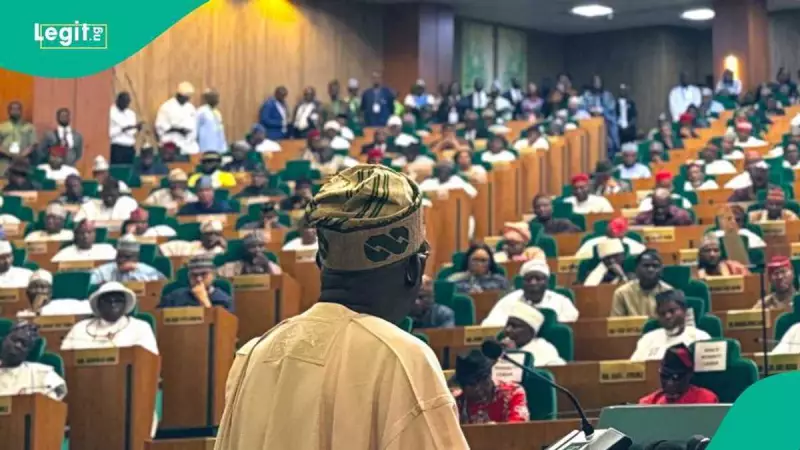
According to Hon. Philip Agbese, Deputy Spokesperson of the House of Representatives, the funding delay had created significant tension among lawmakers, who had initially threatened to suspend legislative sittings for one week in protest. The legislators eventually rescinded this decision, but not before expressing grave concerns during a closed-door session about the poor funding of national budgets.
The frustration among legislators was palpable, with many constituency projects across the country stalled due to non-release of funds. This situation directly affected indigenous contractors who had completed 2024 capital projects but remained unpaid for their work.
Presidential Intervention Restores Calm
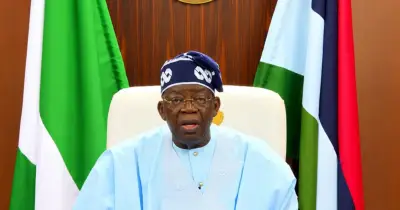
The crisis prompted immediate action from House leadership, with Speaker Rt. Hon. Tajudeen Abbas and other principal officers urgently engaging the Presidency to prevent further escalation. President Tinubu responded decisively by directing the Minister of Finance, Wale Edun, and the Accountant-General of the Federation, Shamseldeen Ogunjimi, to commence immediate payments to the aggrieved contractors.
Agbese confirmed that payments have already begun flowing to contractors, effectively dousing tensions and restoring normalcy within the legislative house. "The intervention of President Bola Ahmed Tinubu was decisive," Agbese stated, emphasizing how the President's swift action helped calm rising tempers among lawmakers.
The Deputy Spokesperson also praised Speaker Abbas for his diplomatic handling of the volatile situation, describing him as "a truthful and patriotic leader who believes in dialogue, not division." This leadership approach proved crucial in resolving the tension without confrontation between the legislative and executive branches.
Inherited Challenge, Swift Resolution
Importantly, Agbese clarified that the funding delays were not created by the Tinubu administration but represented inherited obligations from previous fiscal years. The administration's prompt response to the crisis demonstrated its commitment to fiscal responsibility and good governance.
Lawmakers have now called for accelerated implementation of the 2025 capital budget to prevent similar disruptions to constituency and national development projects. The swift resolution of this potential crisis underscores the importance of timely budget releases for maintaining smooth governance and sustained development across Nigeria.
The episode serves as a reminder of the interconnected nature of government operations and how delays in one sector can trigger cascading effects throughout the governance structure. President Tinubu's intervention not only prevented a parliamentary crisis but also ensured that vital development projects can continue moving forward across the nation.