President Tinubu Convenes High-Level Security Summit Amid National Insecurity Concerns
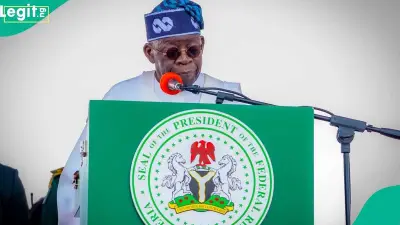
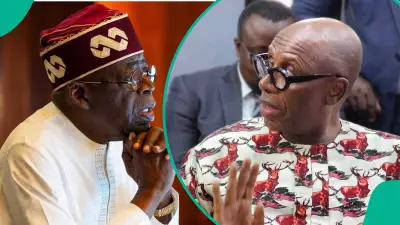
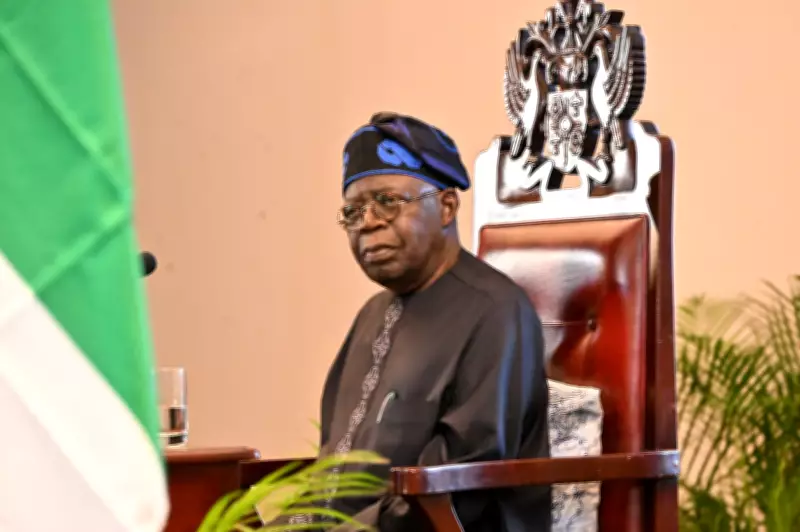
President Bola Tinubu has taken decisive action by convening a high-level security meeting with the nation's top defense and intelligence officials at the State House in Abuja. This crucial gathering occurred on April 13, 2026, as mounting concerns over Nigeria's deteriorating security situation reached a critical point. The closed-door session brought together the highest echelons of the country's security apparatus to strategize and address the pervasive threats facing the nation.
Comprehensive Attendance of Security Leadership
The meeting featured an impressive assembly of Nigeria's most senior security figures. Leading the military contingent was the Chief of Defence Staff, General Olufemi Oluyede, who was joined by the heads of all three armed services. These included the Chief of Army Staff, Lieutenant General Waidi Shaibu; the Chief of Naval Staff, Vice Admiral Idi Abbas; and the Chief of Air Staff, Air Marshal Sunday Anele. This comprehensive military representation underscored the gravity of the security challenges under discussion.
Complementing the military leadership were the nation's principal intelligence and law enforcement officials. The Director-General of the Department of State Services (DSS), Oluwatosin Ajayi, and the Director-General of the National Intelligence Agency (NIA), Ambassador Mohammed Mohammed, provided critical intelligence perspectives. The Inspector-General of Police, Tunji Disu, represented the Nigeria Police Force, while the National Security Adviser to the President, Mallam Nuhu Ribadu, coordinated the proceedings alongside other senior security personnel.
Timing and Context of the Security Summit
This emergency security council meeting occurred against a backdrop of escalating violence and public anxiety across Nigeria. Particularly significant was the timing following a highly controversial Nigerian Air Force airstrike in Yobe State that reportedly resulted in the tragic deaths of over twenty civilians. The incident has sparked national outrage and intensified scrutiny of military operations in conflict zones, making this security summit both timely and imperative.
The closed-door nature of the discussions suggests that sensitive operational matters and strategic responses to the country's multifaceted security threats were thoroughly examined. With banditry, kidnapping, communal conflicts, and terrorism continuing to plague various regions, President Tinubu's direct engagement with security chiefs signals a renewed commitment to developing comprehensive solutions to these persistent challenges.
Implications for National Security Policy
This high-stakes meeting represents a significant moment in Nigeria's ongoing battle against insecurity. By personally chairing discussions with all service chiefs and intelligence heads simultaneously, President Tinubu has demonstrated executive-level prioritization of security matters. The outcomes of this summit are expected to influence immediate operational adjustments and potentially shape longer-term security policy reforms.
The inclusion of both military and intelligence leadership suggests a holistic approach to security management, recognizing that effective counterinsurgency and crime prevention require coordinated efforts across multiple agencies. As Nigeria continues to grapple with complex security threats that impact economic stability, social cohesion, and national development, such high-level strategic consultations remain essential for formulating effective responses and restoring public confidence in security institutions.