President Bola Ahmed Tinubu has unveiled a new slate of diplomatic nominees, tapping prominent political figures for key international roles. The announcement, made public on Thursday, December 4, 2025, includes several notable names from Nigeria's political landscape.
Key Figures in the New Ambassadorial List
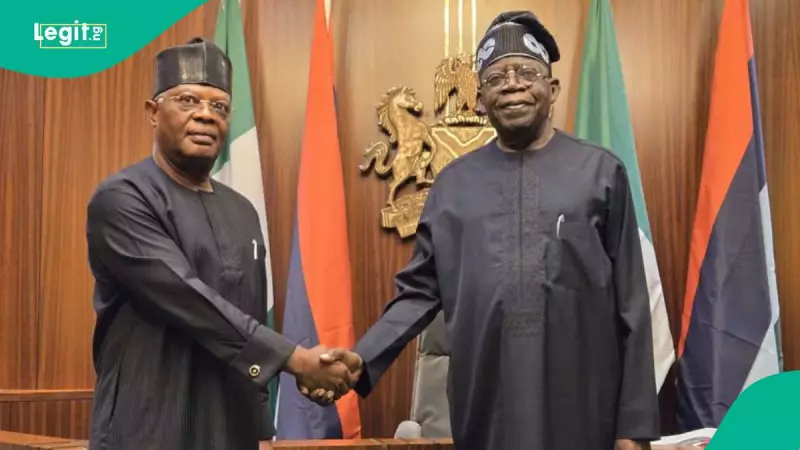
The list features Ibok-Ete Ekwe Ibas, the immediate past sole administrator of Rivers State, who has been nominated as a non-career ambassador. This move places a key figure from the politically significant Rivers State into the diplomatic corps.
Also nominated is Ita Enang, a former Minister of Interior and former Chief of Army Staff. Enang, who also served as a senator, brings a wealth of security and legislative experience to the diplomatic field.
Further diversifying the list, President Tinubu nominated Chioma Ohakim, the former First Lady of Imo State, for a non-career ambassadorial position. Her nomination adds a dimension of regional representation and gender inclusion to the diplomatic appointments.
Context and Timing of the Announcement
The nominations were officially announced on Thursday, December 4, 2025. This development follows established presidential prerogatives to appoint non-career ambassadors, often used to reward political loyalty, foster national unity, and deploy experienced hands to represent Nigeria's interests abroad.
The report was initially broken by TheCable and confirmed by Legit.ng, highlighting the significance of the political reshuffle within the Tinubu administration's foreign policy and patronage systems.
Analysis and Potential Implications
This batch of ambassadorial nominations is seen as a strategic political maneuver. By appointing individuals like Ibas from Rivers State, the administration may be aiming to consolidate influence in a geopolitically crucial region. The selection of a former security chief like Ita Enang suggests a potential focus on security and defence diplomacy in Nigeria's foreign engagements.
The inclusion of Chioma Ohakim points to an effort to balance the nominations across different regions and to recognize contributions beyond direct political office. These appointments are typically subject to confirmation by the Senate, where the nominees' credentials and suitability will be scrutinized.
Observers will be watching closely to see which countries these nominees are eventually posted to, as that will offer further insight into the administration's diplomatic priorities for the coming years.