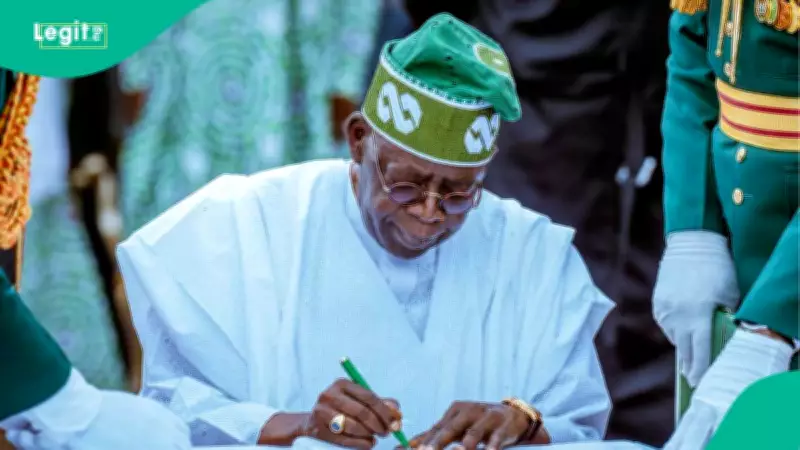
President Tinubu Honors Late General Murtala Muhammed as Democratic Military Leader
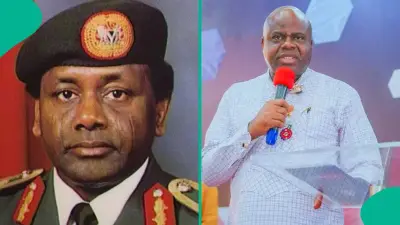
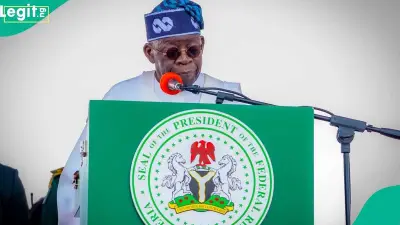
President Bola Tinubu has publicly recognized the late General Murtala Muhammed, a former military head of state, describing him as "a military officer with democratic traditions and love in his veins." The president emphasized that Muhammed's brief administration established critical foundations for Nigeria's return to democratic governance and contributed significantly to Africa's liberation movements.
Commemoration Event in Abuja
The remarks were delivered on behalf of President Tinubu by Senator George Akume, the Secretary to the Government of the Federation, during a commemorative event organized by the Murtala Muhammed Foundation in Abuja. The gathering attracted a distinguished audience including African presidents, diplomats, and traditional rulers, highlighting the enduring significance of Muhammed's legacy.
In his statement, President Tinubu expressed appreciation to the family and the Foundation for organizing the event, reiterating his characterization of Muhammed as a leader who embodied democratic principles despite his military background.
Democratic Foundations and Transition
Akume elaborated that during General Muhammed's short tenure, he implemented policies specifically aimed at returning Nigeria to democratic rule, even though his life was tragically cut short. "He put a solid team in place to ensure the democratic transition of the government," Akume noted, explaining that this groundwork was subsequently sustained by Muhammed's successor, Olusegun Obasanjo, with support from the Supreme Military Council.
President Tinubu also commended Muhammed for his vigorous efforts to combat corruption, utilizing the skills and talents bestowed upon him. He affirmed that Muhammed continues to be remembered and respected by all Nigerians for his contributions to the nation's development.
Commitment to African Liberation
Beyond domestic achievements, Tinubu highlighted Muhammed's profound commitment to the liberation of Africa. "He believed in Africa and sought the total deconstruction of colonial rule on the continent," the president stated. This vision translated into tangible actions, as Nigeria under Muhammed played a pivotal role in supporting decolonization struggles in Angola, Mozambique, Namibia, and Zimbabwe, and contributed to the eventual dismantling of apartheid in South Africa.
Reflections on Assassination and National Impact
Recalling the assassination of General Muhammed in 1976, Akume shared personal memories from his time as a university student, describing the profound shock that reverberated across Nigeria. He recounted how students from institutions such as the University of Ibadan, the Polytechnic of Ibadan, and the University of Lagos mobilized in protest against what they perceived as an unwarranted disruption to the country's governance.
Optimism for Africa's Future
Concluding his address, President Tinubu expressed optimism about Africa's prospects, urging citizens not to succumb to despair. He also took the opportunity to defend his administration's ongoing reforms, framing them within the broader context of advancing the democratic and developmental ideals championed by leaders like Murtala Muhammed.