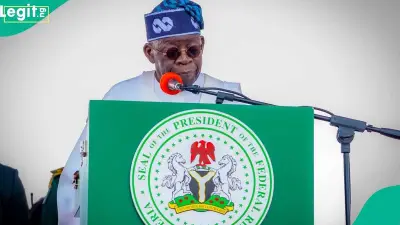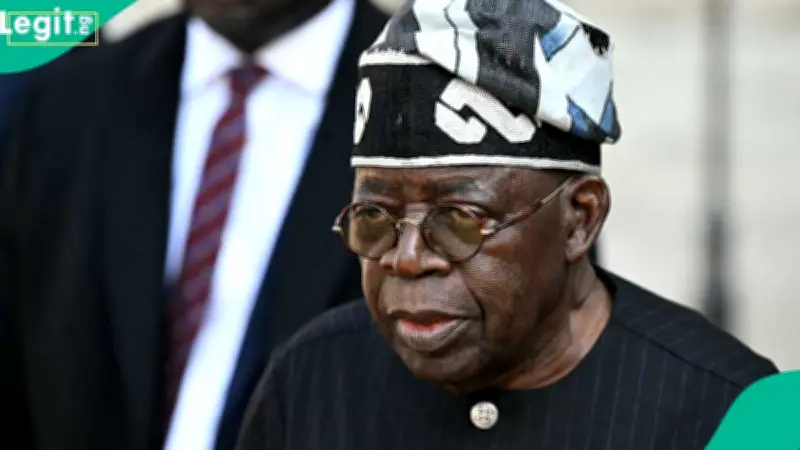
President Bola Tinubu has denounced the recent xenophobic attacks targeting Nigerians and other Africans in South Africa, calling for a unified African response. Speaking at the 69th Ordinary Session of the ECOWAS Authority of Heads of State and Government in Freetown, Sierra Leone, on Sunday, July 19, Tinubu described the violence as 'totally unacceptable' and urged regional leaders to escalate the issue to the African Union.
Nigeria Evacuates Citizens, Demands Action
Represented by Vice President Kashim Shettima, Tinubu confirmed that Nigeria had already evacuated over 1,490 of its citizens from South Africa in seven batches. He stated, 'Nigeria condemns, in the strongest terms, the recent attacks on its citizens and other Africans in the Republic of South Africa.' The president emphasized that Nigeria remains prepared to take further action if necessary.
Tinubu called on ECOWAS to adopt a collective position and present the matter at the next African Union heads of state session. 'This would send a clear message that this type of intolerance is totally unacceptable under any guise. South Africa should be reminded that the freedom it currently enjoys is the result of the sacrifices and liberation efforts of African countries, including Nigeria,' he said, echoing a similar point made by Ghana's president at the summit.
Regional Integration and Security Commitments
Beyond the xenophobia crisis, Tinubu reaffirmed Nigeria's support for the newly adopted ECOWAS Compact for the Future of Regional Integration. He described the compact as a reflection of member states' 'collective resolve' to renew the bloc's founding ideals. The compact aims to 'strengthen regional solidarity, and build a more resilient, prosperous, peaceful, and people-centred Community capable of meeting the aspirations of its over 400 million citizens.'
Tinubu also reiterated Nigeria's commitment to establishing a Counter Terrorism Force and reinforcing the ECOWAS Standby Force. He said these moves would improve intelligence sharing and joint security operations across the region. On governance, he called on member states to uphold constitutional rule, human rights, and zero tolerance for unconstitutional changes of government.
Other Summit Highlights
Sierra Leone's President Julius Maada Bio, who chairs ECOWAS, said the meeting was an opportunity to honestly assess the bloc's progress and adapt to rapidly shifting global realities, stressing that regional integration had become 'a strategic necessity.'
United Nations Deputy Secretary-General Amina Mohammed pledged the UN's support for ECOWAS-led counter-terrorism efforts and called on the UN Security Council to 'clearly hear the voice of Africa and stand behind the solutions that Africa offers.'
A notable moment at the summit was the signing of the Intergovernmental Agreement for the African Atlantic Gas Pipeline project, a development expected to shape the region's energy future.
Senate Rejects Seizure of South African Assets
Meanwhile, the Nigerian Senate rejected calls to seize profits from South African companies operating in Nigeria to compensate victims of xenophobic attacks. Senator Oshiomhole advocated for Nigerian compensation, citing the South African minister's refusal. The calls for nationalisation of South African firms in Nigeria met resistance in the Senate.