President Tinubu Warns Against Defamation Under Guise of Free Speech
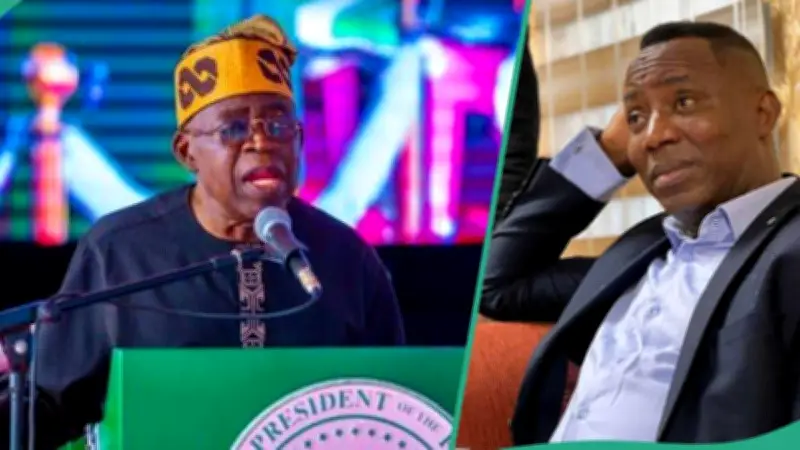
President Bola Tinubu has cautioned against the misuse of press freedom, stating that freedom of expression does not grant a license to defame. Speaking at the maiden presidential press corps dinner in Abuja on Thursday, July 2, 2026, Tinubu emphasized the need for professionalism in journalism even as technology enables anyone with a smartphone to broadcast information.
“In a world where everyone with a smartphone can claim to be a journalist, the standards of professionalism, accuracy, and integrity must never be compromised; freedom of expression is not freedom to defame,” Tinubu said.
Context: Sowore's Defamation Case and DSS Bail
The president's remarks come amid a high-profile defamation lawsuit filed by the Department of State Services (DSS) against Omoyele Sowore, the 2027 presidential candidate of the African Action Congress (AAC). Sowore faces allegations of cyberbullying President Tinubu. The DSS had sought to revoke the bail previously granted to Sowore, but a court upheld the bail, setting it at N200 million.
Public Reactions to Tinubu's Statement
The president's comments have sparked widespread reactions on social media. Supporters argued that the statement underscores the responsibility that comes with free expression. DjglassAutoMWTech praised the president, saying, “Well said. Freedom of expression is a right, but with that right comes responsibility. Credibility is built on facts, professionalism, and integrity, not just having a platform.”
Jonospect added, “The statement draws a clear line between free expression and responsible reporting, and that balance is at the heart of modern media debates.” Another user, Ọláńrewájú Ìdòwú, interpreted the message as directed at the opposition: “Now they need to let them know. Freedom of expression isn't freedom to defame. Obidients, this one is for you.”
However, critics offered a different perspective. Henry Uzuwe argued that citizen journalism via smartphones often exposes government failures more effectively than traditional media: “Smartphones expose more gov't failures than 'journalists' ever did. Calling accountability 'defamation' is the real integrity failure.”
Declan called for stricter regulation of media headlines, proposing a “Headline Act” that would compel factual reporting. He cited the 1967 civil war, claiming that an ambiguous headline “Igbo Coup” triggered the genocide. “We need laws that compel media houses to say factual headlines as it is. Thank you, Mr President,” he said.
Implications for Media and Political Discourse
Tinubu's warning highlights ongoing tensions between government officials and opposition figures in Nigeria's digital space. The DSS's involvement in the Sowore case has raised concerns about the use of state security agencies to silence political dissent. The court's decision to grant bail, despite the DSS's opposition, indicates judicial independence in balancing national security with civil liberties.
As Nigeria approaches the 2027 elections, the debate over the boundaries of free speech is likely to intensify. Tinubu's call for responsible journalism may resonate with those concerned about misinformation, but critics warn it could be used to curb legitimate criticism.