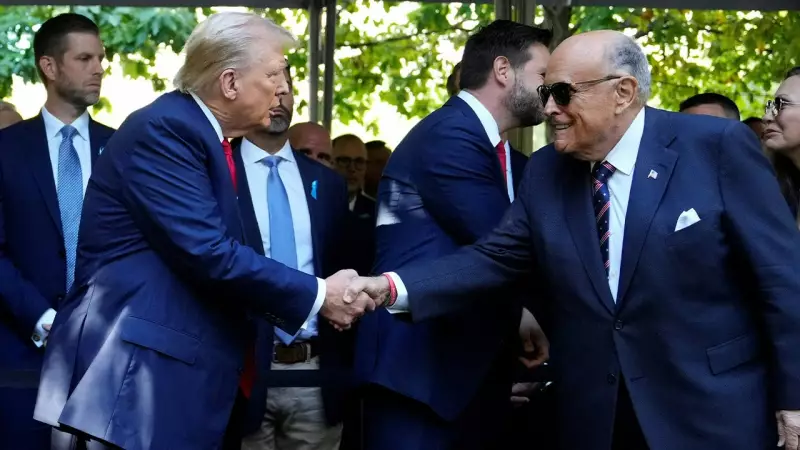
Former US President Donald Trump has initiated another massive pardon operation, clearing the legal records of his former lawyer Rudy Giuliani and dozens of key supporters accused of involvement in efforts to overturn the 2020 presidential election results.
The Presidential Pardon Proclamation
The significant announcement came on Sunday night when Ed Martin, who serves as the Department of Justice's pardon attorney, published the signed presidential proclamation on the social media platform X. In the official document, Trump justified his action as necessary to correct what he called a grave national injustice stemming from the aftermath of the 2020 presidential race.
Trump further stated that the pardons were intended to promote what he described as national reconciliation following the contentious election period. The proclamation specifically mentioned the need to address issues related to the election's fallout.
Who Received Pardons
The sweeping pardon order covers 77 individuals, including some of Trump's most prominent allies during the post-election legal battles. Among the high-profile beneficiaries are:
- Rudy Giuliani, Trump's former personal lawyer
- Mark Meadows, former White House chief of staff
- Sidney Powell, attorney involved in election challenges
- John Eastman, another key legal adviser
The document explicitly states that each person receives a full, complete, and unconditional pardon. This legal protection also extends to Trump's co-defendants in the Georgia case where they faced charges related to alleged attempts to overturn that state's election results.
Context and Broader Implications
This latest pardon wave follows closely behind Trump's recent clemency grant to former New York Mets baseball star Darryl Strawberry, who had been convicted of tax evasion in 1995.
Notably, a second version of the proclamation posted by Martin uses even broader language. It pardons all United States citizens for conduct connected to creating, advocating, or executing alternate slates of presidential electors. The protection also covers any actions tied to efforts exposing alleged fraud in the 2020 election.
The document indicates it was signed on November 7 and specifically states that the pardon does not apply to Trump himself. Importantly, none of the prominent figures listed had been convicted of federal crimes, meaning the pardons carry more symbolic significance than immediate legal consequences.
This move aligns with Trump's ongoing efforts since returning to political office to reshape the narrative surrounding the 2020 election and the events that culminated in the January 6 Capitol storming.
Despite receiving this pardon, Giuliani continues to face other legal challenges. Earlier this year, he was held in contempt of court for refusing to provide financial records to two Georgia election workers he had defamed. Trump has previously indicated he intends to award Giuliani the Presidential Medal of Freedom.
Trump's aggressive use of presidential pardon power is not unprecedented. In January, he granted approximately 1,500 pardons and commuted the sentences of 14 supporters connected to the January 6 attack, including members of the Proud Boys and Oath Keepers convicted of seditious conspiracy.
Those earlier actions drew sharp criticism from Democratic leaders, with former House Speaker Nancy Pelosi describing them as an outrageous insult to our justice system.