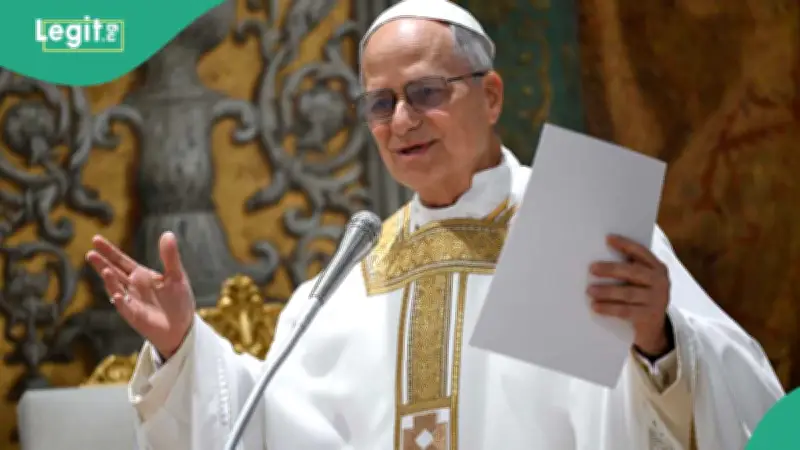
The Vatican formally declared the Society of St. Pius X (SSPX) in schism on Thursday, issuing sweeping excommunications against its bishops, priests, and potentially thousands of lay faithful. The drastic action came after the traditionalist group consecrated four new bishops in Switzerland without the approval of Pope Leo XIV.
Excommunications Target Leadership and Faithful
The Vatican's doctrine office excommunicated six SSPX bishops—the four newly consecrated and two existing bishops who participated in the ceremony—and declared all approximately 750 SSPX priests schismatic, thereby excommunicated. The decree also invalidated the sacraments of confession and marriage administered by SSPX clergy. Laypeople who formally adhere to the SSPX, including members of its lay branch and those who regularly attend its Masses while sharing its doctrinal positions, are likewise considered schismatic and excommunicated. However, Catholics who attend SSPX services purely for liturgical or spiritual reasons, or those who accept the pope's authority, are exempt from the sanctions.
Four Bishops Consecrated in Defiance of Papal Warning
The crisis began on Wednesday, July 1, when the SSPX carried out a five-hour Mass at its seminary in Ecône, Switzerland, consecrating four new bishops: Pascal Schreiber, Michael Goldade, Michel Poinsinet de Sivry, and Marc Hanappier. An estimated 15,500 people attended the ceremony, despite Pope Leo XIV having written to the group just a day earlier, urging it to postpone the consecrations in the interest of church unity.
SSPX media manager Marc-André Mabillard condemned the severity of Thursday's response, describing the extension of excommunications to ordinary faithful as "brutal." He told The Associated Press: "For us, this excommunication extended to the faithful is brutal. It's not what we expect from a father to whom we refer every day. We are told, 'You claim to have the truth.' Fine. I'm just saying that we certainly have our flaws, but our main flaw today is having a leader who doesn't want to communicate with us. And that's terrible."
Historical Context of SSPX Break with Rome
The SSPX was founded in 1970 by French Archbishop Marcel Lefebvre in opposition to the modernising reforms of the Second Vatican Council, the 1960s gatherings that transformed the Church's relations with Jews and people of other faiths and permitted Mass to be celebrated in local languages rather than Latin. Lefebvre consecrated four bishops without papal consent in 1988, prompting immediate excommunications. Pope Benedict XVI lifted those excommunications in 2009 as part of a broader outreach to the group, but the SSPX never regained formal standing in the Church.
Vatican Offers Path to Reconciliation
The Vatican said it remained open to welcoming SSPX members back into full communion, outlining procedures through which priests and faithful could return by professing the faith, pledging fidelity to the pope, and accepting core Vatican II teaching. Joseph Shaw, head of the Latin Mass Society of England and Wales, a group in communion with Rome, acknowledged the gravity of Thursday's announcement. "He's brought the hammer down," Shaw said, adding that the invalidation of SSPX marriages in particular would cause "massive" pastoral problems. "It's a sad day."
Pope Leo Issues New Decree on Mary
Meanwhile, Legit.ng reported that the Vatican issued a new decree, approved by Pope Leo, that redefines how Catholics should refer to Mary, the mother of Jesus, particularly in relation to her role in salvation. The document, released on Tuesday, addressed long-standing theological debates surrounding the titles "co-redemptrix" and "mediatrix", which have been popular among the faithful for centuries.