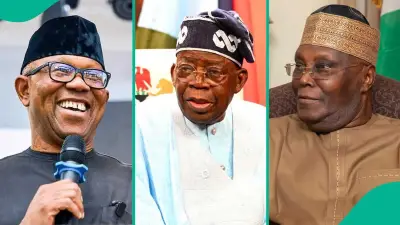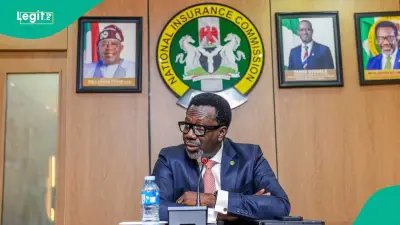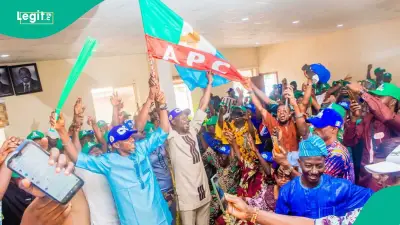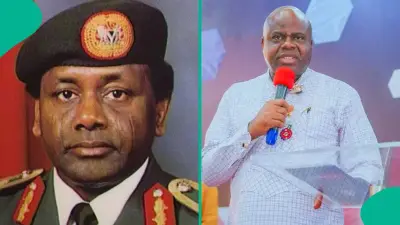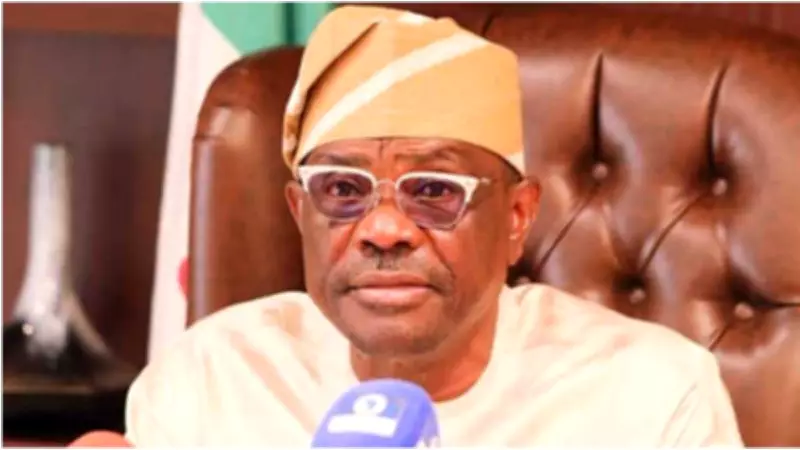
FCT Minister Nyesom Wike has disclosed that the Rainbow Coalition will determine the Rivers State governorship candidate for the 2027 election. The coalition comprises the Peoples Democratic Party (PDP), All Progressives Congress (APC), Labour Party (LP), and Action Alliance (AA).
Rainbow Coalition Yet to Choose Candidate
Speaking at a luncheon for coalition candidates in Port Harcourt on Saturday, May 30, 2026, Wike stated that the coalition has not yet selected a flagbearer. He dismissed rumors that any individual had already secured the ticket, emphasizing that the decision will be made collectively under the coalition's leadership.
Wike said: "The Rainbow Coalition, we have not chosen who will be the governor of Rivers State. But we have party candidates who have emerged under the Rainbow Coalition. The only decision we have taken is that we are going to support President Bola Ahmed Tinubu."
Call for Grassroots Mobilization
The former Rivers governor urged all candidates from the four parties to continue grassroots mobilization until the coalition formally agrees on a unified position. He added that every candidate in the alliance is "okay for Rivers State."
Wike stressed that anyone seeking elective office must align with the Rainbow Coalition to remain relevant in Rivers politics. "If you want to be important in the politics of Rivers State, come and join the Rainbow Coalition. If you want to be governor, come here," he said.
Fubara Snr Declares Governorship Bid
In related news, Blessing Fubara, elder brother of Governor Siminalayi Fubara, declared his intention to contest the 2027 governorship election on the platform of the NDC. Fubara Snr stated that he stands on competent, reliable, and reputable ground to restore the soul of oil-rich Rivers State, alleging that the state is impoverished due to political happenings.
Mixed Reactions to Fubara's Withdrawal
Meanwhile, the APC national chairman described Governor Siminalayi Fubara's withdrawal from the party's primary as a personal decision, ensuring due process was followed. Nigerians expressed mixed reactions, comparing Fubara's situation to other political figures and criticizing his strategy. Comments showed frustration over political loyalty and the impact of godfatherism in Nigeria's governance landscape.