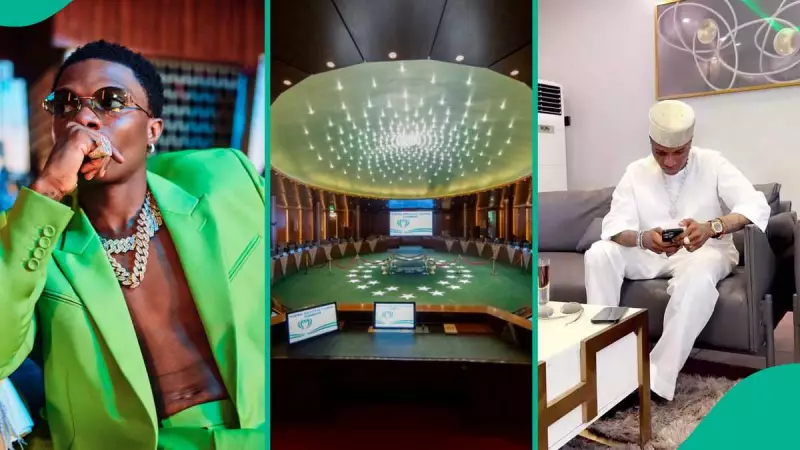
In a stunning announcement that has set Nigerian social media ablaze, global music icon Ayodeji Ibrahim Balogun, popularly known as Wizkid, has declared his interest in the nation's highest political office. The "Essence" singer revealed his presidential ambition and simultaneously launched his own political movement, the Wizkid Political Party (WPP).
A Historic Day: From Music Milestone to Political Declaration
The revelation came on January 8, 2026, a date already significant for the artist's professional career. Just hours before the political announcement, Wizkid achieved an unprecedented feat by becoming the first African artist to amass 10 billion streams on Spotify. This monumental achievement solidified his status as a continental powerhouse in music.
However, the day took an unexpected turn when a video surfaced online showing the Starboy in a casual gathering with friends and family. In the clip, Wizkid made his bold political intentions clear, stating, "Wizkid political party. WPP. I am running for presidency in the year 20…" He playfully trailed off, leaving the specific election year open to speculation and intense discussion among his millions of followers.
The Birth of the Wizkid Political Party (WPP)
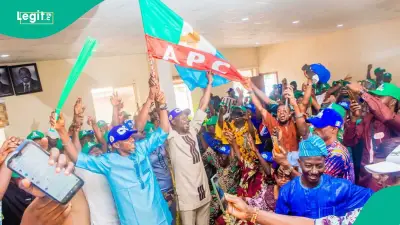
What distinguished this announcement from typical celebrity political endorsements was Wizkid's decision to operate outside Nigeria's established political frameworks. He explicitly stated that his movement would not align with existing major parties like the All Progressives Congress (APC), the Peoples Democratic Party (PDP), or the Labour Party.
Instead, he introduced the Wizkid Political Party (WPP) as his platform. This move towards creating a new political identity, potentially built around his personal brand and massive youth following, marks a significant development in Nigeria's political landscape, where celebrity influence is increasingly potent.
Elite Endorsement and Cultural Synergy
This political foray follows closely on the heels of another honour bestowed upon the singer. Wizkid was recently inducted as an honorary member of the prestigious Lagos Motor Boat Club. Founded in 1950, the club is an exclusive hub for Nigeria's wealthy elite, business leaders, and royalty.
During a ceremony captured in widely shared images, the club's Commodore presented Wizkid with a certificate and the club's signature hat. This induction places him among notable members such as Oba Saheed Ademola Elegushi and Ogiame Atuwatse III, the Olu of Warri. Club officials framed the event as a celebration of cultural synergy, positioning Wizkid as a bridge between global entertainment prestige and Nigeria's influential social networks.
The timing of this elite recognition, juxtaposed with his presidential announcement, suggests a strategic merging of his international star power with local, established circles of influence.
Industry Recognition and the Legacy Debate
The political news also arrives amidst renewed debates about Wizkid's legacy within the music industry. In a related development, Nigerian rap legend Olamide recently declared Wizkid as the greatest Afrobeats artist ever, second only to the late Fela Kuti.
During a press conference in Toronto, Canada, Olamide praised Wizkid's global impact, consistency, and role in evolving the Afrobeats sound. He emphasized that Wizkid's influence extends beyond hit songs to creating defining cultural moments and achieving boundary-breaking feats. This endorsement, while sparking online debates among fans, underscores the formidable platform of respect and admiration Wizkid commands as he steps into the political arena.
As reactions continue to flood social media, the central questions remain: Is this a serious political campaign launch, or a playful tease from an artist at the peak of his career? Only time will tell, but one thing is certain: Wizkid has successfully redirected the national conversation, merging the worlds of entertainment, celebrity, and politics in a way few Nigerian figures have done before.