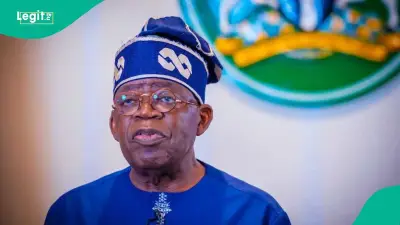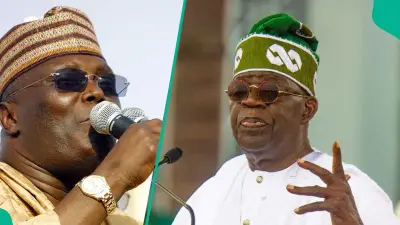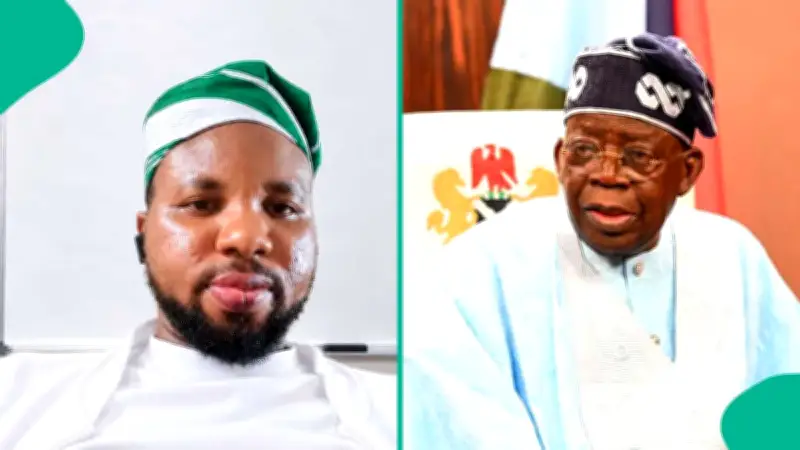
Public affairs analyst Oluwafemi Popoola has directly challenged President Bola Tinubu's declaration that Nigeria has entered an "age of prosperity," arguing that macroeconomic gains must translate into tangible improvements for ordinary citizens. Speaking against the backdrop of Nigeria's 66th Independence anniversary, Popoola questioned whether the government's focus on growth figures adequately addresses the daily realities of workers, traders, and households.
Popoola Questions Wealth Distribution Amid Economic Reforms
In his commentary, Popoola took aim at President Tinubu's 2026 Independence Day address, where the president asserted that Nigeria had moved past painful economic reforms into what he called an "age of prosperity." Tinubu cited improvements in GDP growth, inflation, foreign exchange stability, foreign reserves, and non-oil exports as evidence supporting the removal of the petrol subsidy and other reforms.
However, Popoola maintained that these macroeconomic improvements do not automatically translate into better lives for ordinary Nigerians. He noted that workers dealing with transportation costs, rent, school fees, and food prices often find official economic data distant from their daily experience.
"GDP figures do not fill the cooking pot," he said, insisting that recovery must be felt in the purchasing power and living conditions of ordinary citizens. Drawing on an African proverb about a child who grows thin despite eating from a communal pot, Popoola explained that a hungry child is not always evidence that there was no food. "It could indicate that somebody took more than his share," he said, applying the same logic to Nigeria's resource distribution.
Inflation Drop Does Not Restore Purchasing Power
While Popoola acknowledged that Nigeria's headline inflation rate had fallen from 23.14 per cent a year earlier to 15.39 per cent in August 2026, he cautioned against interpreting this as a restoration of Nigerians' purchasing power. He explained that disinflation means prices are rising more slowly, not that they have returned to previous levels.
Popoola noted to Legit.ng that petrol prices remained around N1,400 per litre in Lagos and Abuja towards the end of September 2026, before a modest reduction at some NNPCL outlets in early October. He described this as limited relief for households still coping with high transportation and living costs.
Popoola also questioned why Tinubu's Independence Day speech contained no specific commitment to a wage award for workers or a timeline for another national minimum wage review, given that organised labour had continued to raise concerns about fuel prices and wages.
Looking Beyond 2027 Elections
Looking ahead to the 2027 general elections, Popoola warned that Nigeria's political conversation had shifted too heavily towards appointments, defections, and party alliances, at the expense of questions about development. "Politics without a philosophy eventually becomes a contest over possession," he said.
He compared the current environment with the early years of independence, noting that despite the political crises of the First Republic, leaders such as Obafemi Awolowo, Tafawa Balewa, and Nnamdi Azikiwe held competing but substantive visions for Nigeria's development. "At 66, Nigeria does not need another election in 2027. She needs a renewed conversation about the country she can still become," Popoola said.
Earlier, Legit.ng reported that Popoola questioned whether the Nigerian government's reported secret ceasefire with a Boko Haram faction represents a calculated negotiation or an act of capitulation to armed insurgents. Popoola weighed in on a report by The New Humanitarian, published September 7, which described an alleged undisclosed agreement between the federal government and the Boko Haram faction led by Ibrahim Bakura Doro.