In a significant move to bolster leadership within Nigeria's public sector, the Federal Civil Service Commission (FCSC) has announced the promotion of a total of 2,363 civil servants to the directorate level. This mass elevation marks a pivotal moment in the ongoing reform of the nation's bureaucracy.
A Breakdown of the Historic Promotions
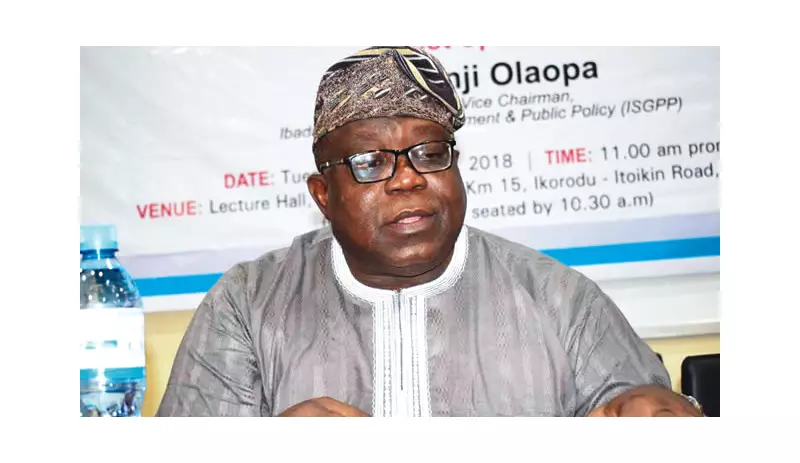
The commission, chaired by Professor Tunji Olaopa, detailed the breakdown of the promotions in a recent statement. A total of 338 officers were elevated to Salary Grade Level (SGL) 17, attaining the rank of full Director. Furthermore, 614 individuals were promoted to SGL 16 as Deputy Directors, while another 1,411 officers moved up to SGL 15, assuming the role of Assistant Director.
This exercise is notable for its scale and the broad spectrum of ministries, departments, and agencies (MDAs) involved. The successful candidates were drawn from a wide array of sectors including:
- The State House and the Office of the Head of Service of the Federation
- Key ministries like Agriculture, Health, Justice, and Defence
- Sectors such as Environment, Humanitarian Affairs, and Women Affairs
- Critical offices including the Accountant General and Auditor General of the Federation
Interestingly, the Office of the Head of Service of the Federation produced the highest number of new directors at 110. Conversely, some ministries, including Aviation, Transport, Power, Education, Petroleum, and Solid Minerals, did not record any successful candidates at the director level this cycle.
A New Era of Digital and Rigorous Assessment
This promotion cycle was distinguished by a groundbreaking shift in the evaluation methodology. For the first time in the history of the FCSC, promotion examinations were conducted as a competitive Computer-Based Test (CBT). This modern approach aimed to enhance transparency, efficiency, and the standardization of the assessment process.
The commission partnered with the Joint Admissions and Matriculation Board (JAMB) to administer these tests, leveraging JAMB's extensive experience in conducting large-scale computerized examinations. The tests were not only held locally within Nigeria but were also extended to Nigerian civil servants stationed abroad.
Overseas examination centers were established in four countries: the United Kingdom, the United States of America, India, and Egypt. This inclusive approach ensured that eligible officers in the diaspora had an equal opportunity to participate. For those aspiring to the director cadre, the computer-based test was followed by rigorous oral interviews to further assess their competency and readiness for high-level leadership.
Implications for the Civil Service and Governance
The mass promotion, as explained by Professor Olaopa, is a strategic component of the broader agenda to revitalize the federal civil service. By injecting fresh leadership and recognizing merit through a more transparent digital process, the FCSC aims to improve institutional capacity, drive policy implementation, and enhance service delivery to the Nigerian public.
The adoption of the CBT system, facilitated by JAMB, sets a new precedent for future promotion exercises, signaling a move away from traditional paper-based tests towards a more technologically advanced and credible system. This development is expected to motivate a culture of continuous learning and professional development among civil servants nationwide.