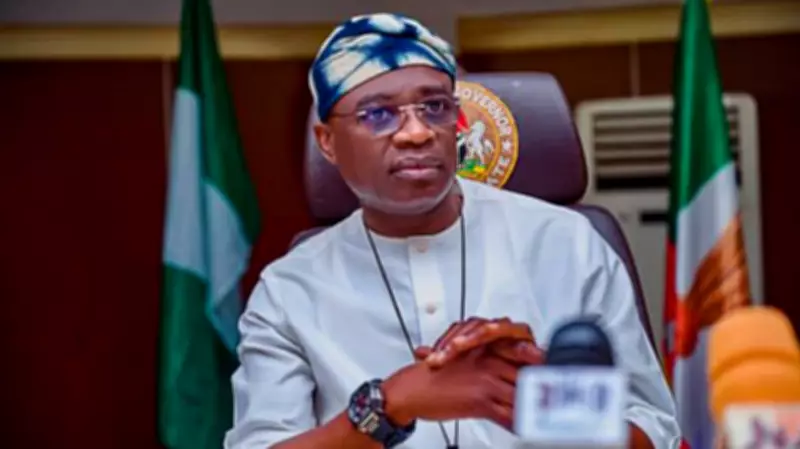
Governor Hyacinth Alia: The Making of a Statesman
Before his political ascent, Rev. Fr. Hyacinth Iormem Alia was widely revered across Benue State as a Catholic priest whose ministry profoundly impacted lives. His name carried significant weight not only within religious circles but also among ordinary citizens who viewed him as a compassionate leader. Through pastoral assignments, he gained firsthand exposure to the daily struggles of communities, shaping his understanding of governance long before entering partisan politics. His sermons and humanitarian efforts gradually established him as a moral authority, with his voice commanding respect beyond religious boundaries.
From Spiritual Shepherd to Symbol of Hope
Famed for healing masses that attracted large crowds, Father Alia became a beacon of hope for the downtrodden, including the afflicted, vulnerable, and those burdened by life's challenges. Many testified to spiritual and emotional upliftment, fostering an enduring bond with the masses. Over time, the trust he earned extended beyond the spiritual realm to social trust, as people recognized his genuine care for their welfare and dignity. As a priest, he emphasized values such as compassion, humility, and accountability, which later defined his political persona. His preaching on justice, fairness, and service resonated deeply with citizens yearning for ethical leadership, while his ability to connect across social strata showcased emotional intelligence and empathy—traits essential for statesmanship.
Unexpected Political Entry and Grassroots Mobilization
For years, he remained focused on ministry and humanitarian work, with no overt involvement in politics, making his eventual entry both surprising and intriguing. Observers saw little indication that the Catholic priest would seek elective office, yet his exposure to social issues had subtly prepared him for broader leadership. When he declared his candidacy for Benue State governor, reactions ranged from surprise to skepticism, but many welcomed it as a refreshing change. Unlike conventional politicians, he did not need to build credibility from scratch; the trust cultivated over years of service provided a reservoir of goodwill. His campaign, anchored by the "Yes Father" slogan, gained instant traction, symbolizing continuity of trust and faith in his leadership. It galvanized communities, drawing massive grassroots support from youths, women, and elders who saw him as a leader attuned to their struggles and aspirations.
Historic Victory and Governance Challenges
The momentum propelled his party, then in opposition, to a resounding victory in the 2023 general elections, marking a turning point in Benue's political landscape. Voters viewed his win as a triumph of integrity over entrenched interests, highlighting the power of grassroots mobilization and the appeal of a sincere candidate. Sworn in on May 29, 2023, as the sixth democratically elected governor, his transition from priest to governor was historic, symbolizing a public desire for leadership anchored in moral values. Upon taking office, he inherited significant challenges, including unemployment, unpaid salary arrears, and economic stagnation due to fiscal indiscipline, demanding bold and innovative solutions.
Transformative Policies and Economic Revitalization
His response demonstrated decisiveness and strategic thinking, prioritizing workforce stabilization and restoring confidence in government institutions. Early actions included creating employment opportunities across sectors, with thousands of youths recruited into civil service and agencies like the University Teaching Hospital, SUBEB, Benue Links, SEMA, and BIPC. This move reduced unemployment and restored hope, emphasizing his belief in empowerment for sustainable development. Revitalizing industries under BIPC boosted economic activity by supporting local production and strengthening state-owned enterprises, fostering self-reliance and stimulating local economies. His economic approach reflected long-term planning over short-term gains.
Infrastructure Development and Inclusive Governance
In infrastructure, Governor Alia embarked on road construction, rehabilitation of public facilities, and urban renewal projects, bringing development to long-neglected communities. Improved infrastructure enhanced mobility, commerce, and social interaction, strengthening public confidence. His leadership style is characterized by accessibility and grassroots engagement, with regular citizen interactions fostering inclusion and reinforcing his image as a leader who governs with the people. Transparency and accountability remain central, with an emphasis on prudent financial management and responsible governance, gradually reshaping the state's governance culture.
National Influence and Statesman Qualities
Despite resistance from some in the old political order, his popularity has endured due to performance-driven leadership and political resilience. He has strategically encouraged youth participation in leadership, preparing them for national roles and challenging established norms. Barely three years into office, his influence has extended nationally, with roles in political activities underscoring his growing stature as a voice for progressive governance. His selection to help organize the APC convention in Abuja highlighted his rising influence, placing him among leaders shaping national direction. At the convention, he demonstrated coordination and consensus-building abilities, earning respect through a calm and consultative approach.
Personal Integrity and Future Prospects
Beyond politics, his personal qualities—such as discipline, moral grounding, and a calm demeanor—continue to define his leadership, inspiring public confidence. His commitment to youth empowerment and social welfare reflects a people-centered governance model, with investments in education, employment, and social programs laying foundations for sustainable growth and reduced inequality. Gradually, the priest is evolving into a statesman, with his journey illustrating the power of trust, integrity, and service. With continued dedication to inclusive governance, his future holds greater promise for Benue State and Nigeria.