Kaduna State's landmark free transport initiative has recorded staggering success in its first five months, providing over 1.4 million rides and saving commuters a colossal N1.39 billion. The Commissioner for Information, Mallam Ahmed Maiyaki, unveiled the fresh data, highlighting the profound impact of the scheme on easing economic pressure.
Impressive Ridership and Massive Financial Relief
Presenting a detailed assessment during a media engagement on Thursday, December 4, 2025, Maiyaki stated that the review was conducted to gauge the true effect of the free-ride policy introduced by Governor Uba Sani. The figures, covering operations from July 7 to the end of November 2025, far surpassed the government's initial projections.
The scheme, which initially targeted state civil servants and students, was later expanded to include all commuters on its designated routes. A breakdown reveals that in the third quarter of 2025 (July–September), the buses conveyed 683,650 passengers, translating to direct fare savings valued at approximately N738.8 million for citizens.
Ridership climbed even higher in October and November, with 626,710 passengers recorded, saving commuters an additional N667.2 million. October alone saw a significant spike to 339,530 passengers, attributed to school resumption and heightened travel demand.
Operational Scope and Economic Revival
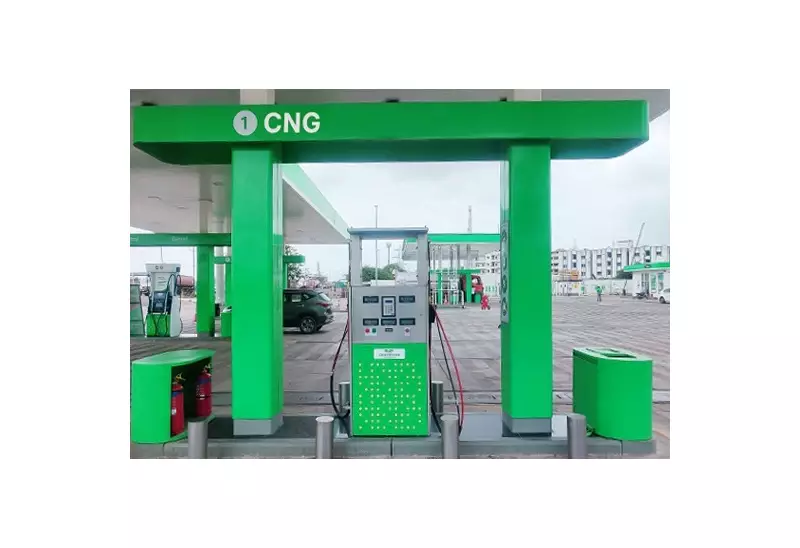
The commissioner elaborated on the scheme's operational framework. A fleet of 30 Compressed Natural Gas (CNG) buses runs daily from 7:00 a.m. to 6:00 p.m., servicing 200 bus stops across four major routes in Kaduna metropolis, Zaria, and Kafanchan. The routes are:
- Tudun Wada–Kawo–Rigachikun
- Rigachikun–Yakowa–Maraban Rido
- Rigachikun–Kasuwa–Maraban Rido
- Rigasa–NEPA Roundabout
Each bus completes an average of eight trips per day, serving about 18,426 commuters daily and nearly 294,824 passengers monthly. Maiyaki emphasized that the benefits extend beyond free transportation, noting a revival of microeconomic activity for small traders who were previously displaced by past urban policies.
"Kaduna’s economy suffered when thousands of small operators were pushed out. This intervention is gradually restoring mobility and livelihoods," the Commissioner said.
A Policy of Compassion and Sustainability
Mallam Ahmed Maiyaki stressed that Governor Uba Sani introduced the policy out of deep compassion, acutely aware of the prevailing economic hardship facing residents. "His Excellency is concerned about the well-being of everyone, civil servants, students, market women, and ordinary citizens who move daily to survive," he stated.
Despite operating at zero cost to passengers, the system has demonstrated strong financial viability. Projections indicate that the scheme could generate surplus revenue if nominal fares were to be reintroduced in the future. The commissioner assured the public that the government would continue to evaluate sustainability options while keeping citizen welfare as the top priority.
He concluded by announcing that updated ridership figures beyond November 2025 would be released subsequently, as patronage on the free CNG bus service continues to rise across Kaduna State.