For generations, Nigerians have used music, art, and social discourse to document the nation's steady decline. The legendary Sonny Okosun's poignant question, "Which Way Nigeria?" remains a haunting anthem for a nation perceived as lost. However, no internal critique prepared the country for the seismic shock of a foreign power publicly declaring what its own leaders had long ignored.
A Foreign Ultimatum and a Panicked Response
That defining moment arrived when the administration of former US President Donald Trump designated Nigeria a Country of Particular Concern. In stark, undiplomatic language, Trump's administration labeled Nigeria "a now disgraced country," warned its "department of war" to prepare for action, and threatened that any attack would be "fast, vicious and sweet." It directly accused the Nigerian government of harboring "terrorist thugs" and issued a final warning: "the Nigerian government better move fast before it’s too late."
This unprecedented breach of diplomatic norms served as a global indictment. For the first time, the world's superpower openly accused a sovereign Nigeria of failing its most fundamental duty: protecting the lives of its own citizens. To millions of Nigerians living under daily threat, this was not an insult but a brutal, long-overdue acknowledgment of their reality.
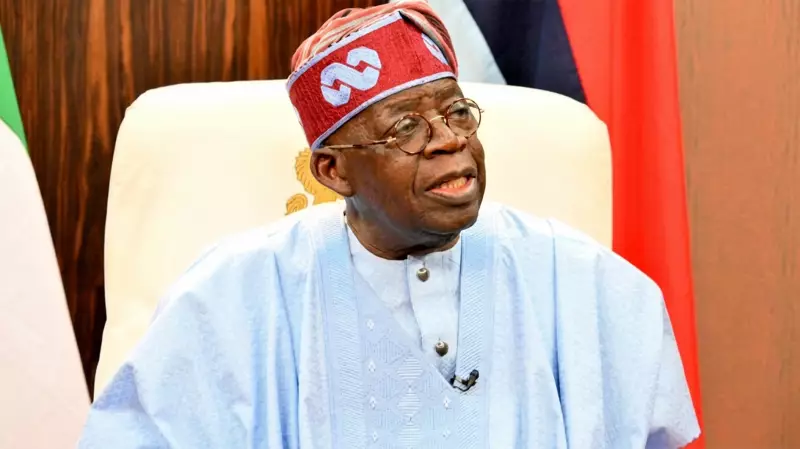
The reaction from President Bola Ahmed Tinubu's administration was swift and bore the marks of panic. Long-stalled reforms were suddenly fast-tracked. Over 11,000 police officers attached to VIP protection duties were redeployed to core police work. Emergency recruitment drives for the military and police were launched, counter-terrorism operations intensified, and a new, expanded security cooperation framework with the United States was hastily announced.
The Roots of Failure: Northern Collapse and Southern Complacency
While the Tinubu administration bears responsibility for its response, the roots of Nigeria's security crisis run deep. The decay is institutional, predating the current government. However, the epicenter of this national humiliation is Northern Nigeria. For decades, governors in the region presided over a catastrophic collapse of order, allowing mass kidnappings, Islamist extremist violence, and rural terror to spread unchecked.
The magnitude of their failure is historic. Citizens watched, helpless, as their leaders appeared to stand by while communities burned. There are grave allegations that some officials entered into "peace pacts" with the very kidnappers and terrorists they were meant to combat—a stunning betrayal of constitutional duty. Their inaction represents a failure not just to their people, but to the entire nation and the Black diaspora worldwide.
One might assume Southern governors, having witnessed the Northern tragedy unfold over years, would be better prepared. Tragically, the response has been characteristically Nigerian: endless meetings, communiqués, and talk. Their actions remain fragmented and hesitant, revealing a leadership class uniformly shaped by a weak political culture and incapable of strategic, urgent action.
Sovereignty in Question: Acting for Whom?
The National Assembly also moved with rare speed, strengthening anti-kidnapping laws and proposing capital punishment for kidnappers. Lawmakers finally demanded the exposure and prosecution of terrorism financiers—a longstanding public demand that only gained traction after Washington's intervention. Senate President Godswill Akpabio captured the mood succinctly, telling colleagues, "Trump is on our neck."
This cascade of reactions—from the Presidency to the legislature—forces a painful question: What does sovereignty mean when a nation acts more decisively to foreign pressure than to the decades-long agony of its citizens?
Nigeria is now on a geopolitical Performance Improvement Plan (PIP). The US has set clear expectations: measurable reduction in killings, restored internal security, dismantled extremist networks, rescued kidnap victims, reformed policing, and the removal of legal frameworks like Sharia law in 12 northern states that contradict constitutional secularism. Failure could lead to severe consequences, including targeted sanctions, international oversight, or worse.
This is not a moment for celebration. It is a period of profound grief and introspection. The world's largest Black nation, endowed with immense potential, should not require external supervision to secure its people. Yet, for those who have buried loved ones, this external pressure offers a fragile hope: perhaps now, the government will finally act.
Nigeria stands at a crossroads. Will its leaders fix the broken structures because Nigerian lives matter, or only because a foreign power insists? The clock is ticking. Nigeria is on a PIP. The world is watching. Ó Màṣe—what a pity.