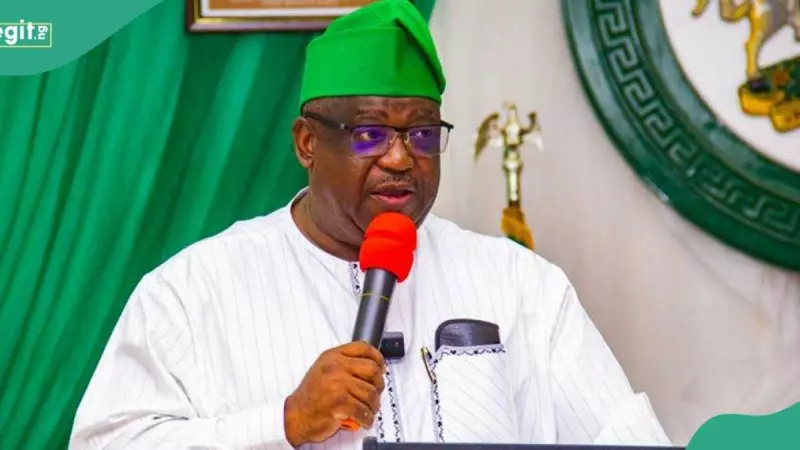
In a significant political development, the Governor of Plateau State, Caleb Mutfwang, has officially tendered his resignation from the People's Democratic Party (PDP). The announcement, which sent ripples through Nigeria's political landscape, was confirmed in a report by Vanguard on Thursday, January 1, 2026.
Governor Mutfwang's Stated Reasons for Departure
Governor Mutfwang, who leads the north-central Nigerian state from its capital, Jos, provided clear justifications for his decisive move. He emphasised that his resignation stems from a fundamental need to provide focused leadership and a clear direction for the people of Plateau State. The governor directly linked this political shift to his administration's overarching goal of improved service delivery to the citizens.
While the brief initial report did not delve into exhaustive detail, the governor's statement suggests a strategic realignment. His focus appears to be on governance free from potential party constraints or internal political dynamics that could, in his view, hinder effective administration.
Immediate Reactions and Political Ramifications
The resignation of a sitting governor from a major political party like the PDP is an event of considerable consequence. It immediately raises pressing questions about the future political standing of Governor Mutfwang and the stability within the PDP's ranks in Plateau State and the broader region.
Political analysts are now speculating on several key outcomes:
- Potential Party Defection: Whether Governor Mutfwang intends to remain independent or is planning to defect to another political platform ahead of future elections.
- Impact on State Governance: How this move will affect the functioning of the state executive council and the implementation of government policies.
- PDP's Strength in Plateau: The potential weakening of the PDP's structure and influence in a key state, which could alter the political calculus for upcoming electoral cycles.
What Comes Next for Plateau State?
As the news breaks, all attention is on the Government House in Jos. The citizens of Plateau State, political stakeholders, and observers across Nigeria await further clarification from Governor Mutfwang. A more detailed public address or official statement is expected to follow, which will likely elaborate on his specific plans and the envisioned path for his administration.
This development underscores the often-fluid nature of Nigerian politics, where alignment and realignment are strategic tools. Governor Mutfwang's bold step prioritises governance over party affiliation, setting a notable precedent. The coming days will be crucial in understanding the full scope of this resignation and its long-term impact on the political dynamics of Plateau State.