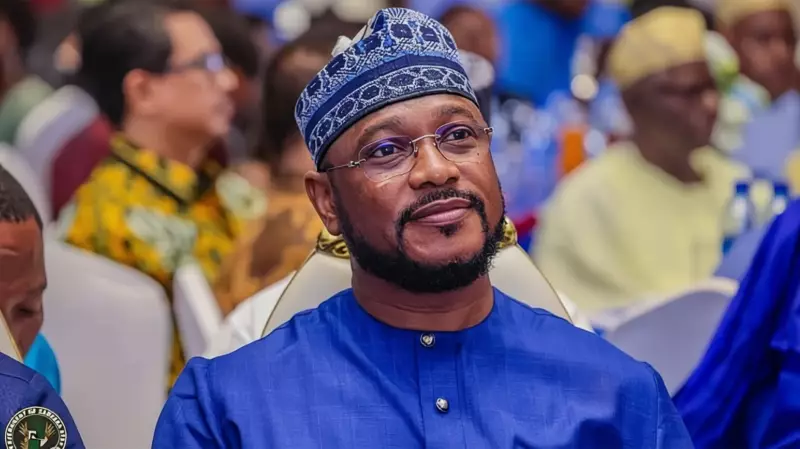
Governor Dauda Lawal of Zamfara State has marked a significant administrative milestone by presiding over 58 sessions of the State Executive Council since his inauguration in May 2023. This record-setting pace of governance underscores a commitment to regular decision-making and project approval for the state's development.
A Record of Regular Governance
According to a statement issued by the Governor's spokesperson, Sulaiman Bala Idris, Governor Lawal chaired the 58th session of the council on Monday at the Government House in Gusau. The breakdown of the meetings shows a consistent engagement: 13 sessions in 2023, 22 in 2024, and 23 already in 2025.
The statement highlighted that this achievement represents the highest number of Executive Council meetings held within a comparable period in the state's history. It described the council as the state's highest decision-making body, central to approving projects, policies, and development plans.
Tangible Outcomes from Council Sessions
The frequent meetings have translated into numerous approvals impacting critical sectors across Zamfara. The government noted that legacy projects approved by the council are either completed or currently underway.
Notable projects stemming from these council decisions include:
- The near-completion of the Cargo International Airport.
- The reconstruction and re-equipping of all general hospitals across the state's 14 Local Government Areas.
- The construction, renovation, and equipping of over 500 schools statewide.
- The construction of township roads in Gusau and other council areas.
These initiatives are visible in communities and are designed to benefit education, health, infrastructure, the economy, and security.
Launch of a Decade-Long Development Blueprint
In a related development, Governor Lawal has officially launched the Zamfara State 10-Year Development Plan (2025-2034). The plan was unveiled at the JB Yakubu Secretariat in Gusau and is described as the first comprehensive long-term plan of its kind in the state's recent history.
The state government engaged KPMG Advisory as the lead consultant for the eight-month development process. The formulation involved close collaboration with members of the State Executive Council, traditional rulers, religious leaders, and other stakeholders.
Governor Lawal emphasized that the plan is an evidence-based roadmap built on robust data and aligns with broader frameworks like the Sustainable Development Goals (SDGs), Nigeria's National Development Plan 2050, and the African Union's Agenda 2063.
The vision is to transform Zamfara into a benchmark for economic growth in Nigeria and Africa. The plan rests on six foundational pillars:
- Economy
- Infrastructure
- Social Welfare
- Human Capital
- Governance
- Environmental Sustainability
A key strategy involves maximizing the state's strengths in agriculture and natural resources through partnerships, including agreements with the Ministry of Finance Incorporated (MoFI) and funding from the African Development Bank. The plan also includes a monitoring and evaluation framework to ensure transparency during implementation.
Governor Lawal's administration is thus charting a course defined by both frequent, actionable governance meetings and a strategic, long-term vision for Zamfara's future.