
Directors Demand Empowerment of Women in Leadership for National Development
Stakeholders at a forum organized by the Nigeria Employers’ Consultative Association, Network of Entrepreneurial Women (NNEW) in conjunction with the International Chamber of Commerce Nigeria, held in Lagos, have issued a strong call for the empowerment of women in leadership roles. They argue that this is not merely a social aspiration but a governance imperative and a catalyst for national development.
Governance Imperative Stressed at Women Directors’ Luncheon
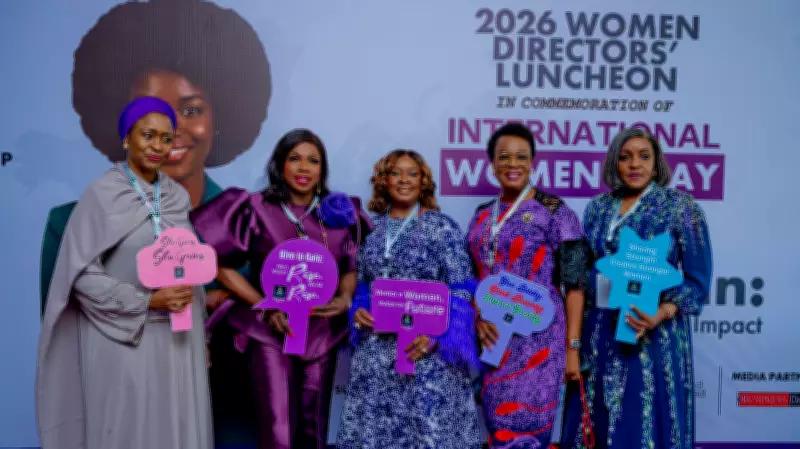
The call was made during the Women Directors’ Luncheon, an event organized by the Women’s Group of the Chartered Institute of Directors (CIoD) Nigeria as part of its commemoration of this year’s International Women’s Day. President and Chairman of the Governing Council, Adetunji Oyebanji, urged organizations to take proactive steps in mentoring, supporting, and leading with purpose. He emphasized the need to ensure that pathways to leadership remain open and accessible for the next generation of women directors.
Oyebanji noted that leadership is not just about occupying positions of authority; it involves building people, shaping institutions, and leaving systems stronger than they were found. He highlighted that across boardrooms, public institutions, and enterprises, women continue to demonstrate exceptional leadership by bringing diverse perspectives, ethical stewardship, and long-term thinking to governance. However, he acknowledged that the journey toward full representation and influence in leadership spaces is still ongoing and requires sustained effort.
Mentorship and Structural Barriers Addressed
Speaking on the theme ‘Give to Gain: Leadership, Mentoring and Impact’, Moji Hunponu-Wusu, President of Woodhall Capital Limited, emphasized that mentorship should not be limited to young people. She pointed out that women often face structural barriers in leadership progression and are actively navigating the pathway to executive leadership. Citing statistics from the McKinsey and Company Women in the Workplace 2024 report, Hunponu-Wusu noted that women now hold about 28 percent of global C-suite roles, up from 17 percent a decade ago.
While this progress is encouraging, Hunponu-Wusu stressed that the journey toward full representation in executive leadership and boardrooms is far from complete. She argued that true leadership must create pathways for others, stating that the most enduring leaders are not those who simply reach the top but those who make it easier for others to rise. This perspective underscores the importance of collective action in breaking down barriers and fostering inclusive environments.
Leadership and Mentorship as Catalysts for Impact
Chairman of the CIoD Women’s Group, Ronke Sokefun, further emphasized the roles of leadership and mentorship in driving meaningful change. She explained that leadership provides direction, while mentorship motivates capability and impact, ensuring that efforts are recognized and effective. Sokefun’s remarks reinforced the idea that empowering women in leadership is not just about individual success but about building a stronger, more resilient society through collaborative efforts.
The forum concluded with a consensus among participants that ongoing initiatives and policies are needed to support women’s advancement in leadership. By addressing structural barriers and promoting mentorship, stakeholders believe that Nigeria can harness the full potential of its female leaders to drive national development and governance improvements.




