
Nigeria Advocates for Enhanced Global Investment in Women at United Nations Forum
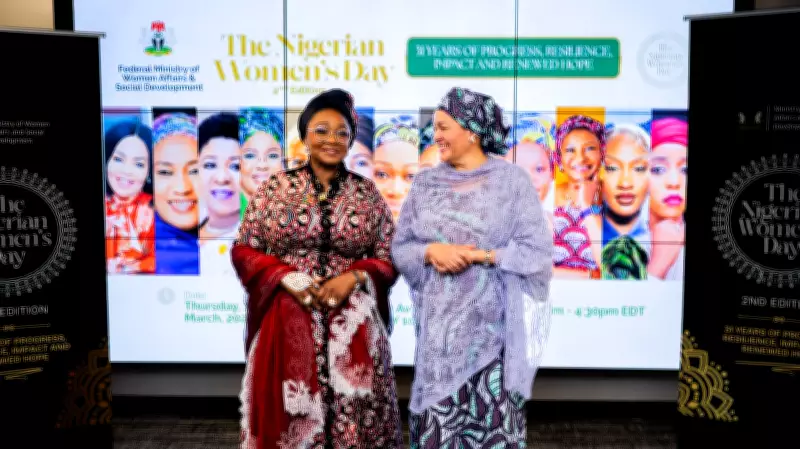
Nigeria has powerfully reaffirmed its dedication to advancing gender equality on the international platform during the second edition of the Nigerian Women’s Day celebration. This significant event was strategically convened by the Federal Ministry of Women Affairs and Social Development, taking place within the framework of the 70th session of the United Nations Commission on the Status of Women (CSW70) in New York, United States.
High-Level Gathering and Thematic Focus
Organized under the distinguished leadership of the Minister of Women Affairs and Social Development, Imaan Sulaiman-Ibrahim, the forum successfully assembled a diverse array of global leaders, diplomats, civil society organizations, and members of the Nigerian diaspora for substantive dialogue and policy discussions. The assembly featured the notable presence of the Deputy Secretary-General of the United Nations, Amina J. Mohammed, alongside numerous ministers, gender advocates, entrepreneurs, and artists from various sectors.
The gathering was thoughtfully themed “31 Years of Progress, Resilience, Impact and Renewed Hope,” which effectively highlighted Nigeria’s persistent efforts to promote gender equality and women’s empowerment. This theme also reinforced the current administration’s focused commitment to women’s rights, family resilience, and inclusive development as core national priorities.
Minister’s Call for Concrete Action and Investment
In her comprehensive remarks, Minister Sulaiman-Ibrahim issued a compelling call for a stronger global commitment to tangibly improving the lives of women and girls worldwide. She meticulously outlined the ministry’s ambitious plans under Nigeria’s Renewed Hope Social Impact Interventions 774 framework, which is specifically designed to reach women across all 774 local government areas of the country.
The Minister elaborated that this comprehensive initiative would concentrate on targeted interventions in critical areas such as energy access, agriculture, digital inclusion, health and protection, creativity and innovation, leadership, education, child development, and family resilience. Sulaiman-Ibrahim urgently appealed to governments, development partners, and civil society organizations to move decisively beyond mere commitments and take concrete, actionable steps to improve women’s lives.
She emphatically stated, “Transforming women’s lives at scale requires sustained investment, strong partnerships, and coordinated action. There is an urgent need for greater investment in women and girls, both domestically and globally. Women’s empowerment is not a social programme; it is an economic strategy, a security strategy, and a development imperative.”
Programme Highlights and Interactive Discussions
Chair of the Board of Directors of Women Radio WFM 91.7, Toun Okewale Sonaiya, delivered the welcome address, effectively setting the tone for discussions centered on women’s leadership, innovation, and international collaboration. The programme commenced with an opening film that vividly showcased the pivotal role of women in leadership across different institutions and communities, providing inspirational context for the day’s agenda.
A key highlight of the event was an insightful fireside conversation between Minister Sulaiman-Ibrahim and Deputy Secretary-General Amina J. Mohammed. Both leaders engaged in a profound discussion about the multifaceted challenges and opportunities facing women and girls across Africa and other regions of the world. Participants actively engaged with them, exploring practical ways to strengthen gender equality efforts at both national and global levels.
The forum also featured three dynamic panel sessions that delved into crucial topics:
- Global Leadership and Peace: Examining how women can lead effectively in governance and global institutions.
- Women’s Role in Institutions and the Economy: Discussing strategies to expand women’s economic opportunities and participation.
- Positive Masculinity: Exploring how men can actively and meaningfully support gender equality initiatives.
These discussions provided a robust platform for exchanging ideas, sharing best practices, and formulating collaborative approaches to advance women’s rights and empowerment on a global scale.




