
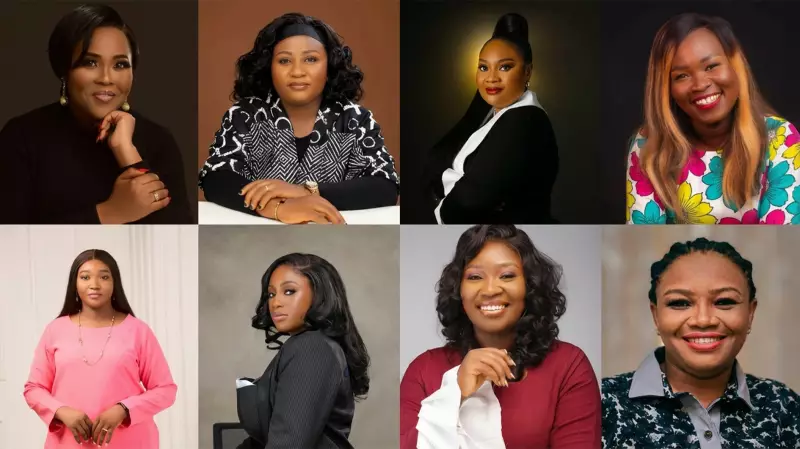
As Nigeria looks towards the future, the collective voice of its women is rising with clarity and purpose. Moving beyond mere requests, women across the nation are articulating a definitive agenda for tangible change by 2026. Leaders from diverse sectors—finance, advocacy, media, and entrepreneurship—are united in calling for systemic shifts that guarantee economic justice, political inclusion, and societal safety.
Economic Empowerment: Beyond Handouts to Fair Access
The call for economic justice forms the bedrock of the women's agenda. Ife Durosinmi-Etti, Founder and CEO of Herconomy, states unequivocally that Nigerian women are no longer asking for permission but demanding access. This demand is multifaceted: access to capital without prohibitive collateral, legitimate investment opportunities, and financial systems that view women as capable wealth builders rather than beneficiaries of charity.
Durosinmi-Etti emphasizes the need for stability, pointing out that women seek an economic environment they can plan around, not one where shifting policies erase months of careful saving. The vision extends to building communities of women who collaborate on wealth creation, moving away from artificial competition. The ultimate goal is not handouts, but fair access to the tools that build lasting wealth and unshakeable independence.
Echoing this, Oluseyi Adolphus, Founder of Fohalep Academy Limited, highlights the critical need for policies promoting affordable credit and financial inclusion for women-owned businesses. She specifically advocates for affirmative procurement policies in public sector spending to boost women's economic participation.
Dotun Soyemi, Co-founder of Thirty32 Media and Communications, adds a macroeconomic perspective. She argues for a stronger, more stable currency, noting that volatility undermines business forecasting and growth. Her call is for macroeconomic stability that enables predictable planning, especially for businesses operating in naira within a dollar-priced ecosystem.
Political Representation and Systemic Redesign
The political arena is another critical battleground. Abosede George-Ogan, Founder of the Women in Leadership Advancement Network (WILAN), identifies a pivotal instrument for change: the passing of the Reserved Seats for Women Bill, currently part of the constitutional amendment process in the National Assembly. She asserts that this would be a strong signal that Nigeria is serious about women's political representation and, by extension, their overall well-being and economic prosperity.
Tolulope Tunde-Ajiboye of Blooming Amazons looks ahead to the 2027 elections, expressing hope for increased women's participation in governance. She encourages women to get active in politics, join parties, and contest for positions, while also emphasizing the desire to engage ethically and effectively.
The demand for systemic change is powerfully articulated by Ekemini Akpakpan, Executive Secretary of Women in Successful Careers (WISCAR). She calls for male allyship, urging men in positions of influence to use their privilege to question outdated norms and redesign systems. She stresses that workplaces and institutions were historically designed without women in mind, and it is time to rectify this oversight. Women, she says, want their competence recognized without having to suppress their humanity, care responsibilities, or the natural seasons of their lives.
Safety, Healthcare, and Actionable Policies
Underpinning all other demands is the fundamental need for safety and health. Raquel Kasham Daniel, Executive Director of Beyond the Classroom Foundation, states plainly that Nigerian women want safety and better healthcare. This includes protection from violence and discrimination, safe communities for girls, and workplaces free from harassment. She highlights the need for equipped hospitals, trained medical personnel, and affordable maternal healthcare.
Adegbile Mayowa of the Ashake Foundation stresses the gap between policy and implementation. She calls for practical, measurable policies in economic empowerment, education, and digital inclusion, where women can feel the impact in their homes and businesses, not just hear about it in speeches. Similarly, Adolphus points to the need for improved access to quality digital education and more family-friendly job opportunities that acknowledge women's responsibilities.
The consensus is clear: Nigerian women are charting a course for 2026 defined by actionable demands. They seek an economy that works for them, a political system that includes them, and a society that protects and values their contributions. The message is one of agency, not appeal, marking a significant shift in the narrative of women's advancement in Nigeria.




