
Women's Equality: A 123-Year Fight for Dignity Beyond Roles and Legacy
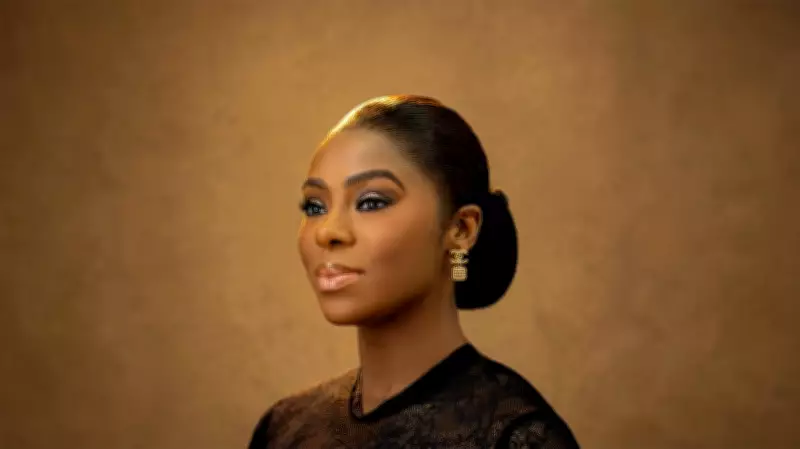
In a powerful call to action, Sarah Stephen, a Luxury Real Estate Advisor and advocate for women's financial freedom, urges society not to measure women by the legacy of their roles but to recognize them as individuals deserving of dignity and equal rights every day of the year.
The Illusion of Progress on International Women's Day
Stephen challenges the common narrative surrounding International Women's Day, arguing that it often promotes a luxury view of women's progression that inaccurately suggests great strides are being made. She emphasizes that while the day celebrates resilience and progress, it must also serve as an opportunity to question the societal structures that perpetuate inequality.
"We can't afford to have luxury views on the progression of women's equality on International Women's Day," Stephen writes, pointing out that this lens masks the harsh realities women face. She stresses that equality is not merely a rights issue but a stability issue critical for societal well-being.
The Brutal Reality of Legal and Structural Inequality
Despite 115 years since the first International Women's Day, Stephen highlights that modern life continues to disproportionately burden women. She notes that women are conditioned to believe it is their responsibility to hold everything together, often while their needs are sidelined.
Drawing from personal experience and observation, Stephen describes the exhausting fight many women endure, clinging to hope for a fairer system. She reveals a sobering projection: closing the global gender gap may take an astonishing 123 years, meaning true equality might not be realized in our lifetime but only by future generations.
According to the latest UN data, women and girls have only 64 percent of the legal rights that men do worldwide. This inequality permeates every aspect of life, including:
- Safety and security
- Access to education and employment
- Family life and economic opportunities
"We have to accept that there can be no justice when half of the population is left behind," Stephen asserts, emphasizing that when women are not equal under the law, they are not equal at all.
A Call for Systemic Change and Accountability
Stephen calls for a shift in systems and laws that currently perpetuate neglect by operating under a masculine code. She argues that society must move beyond what it chooses not to see and prioritize women's needs through actionable policies and conversations.
In honor of Women's Month in March, she celebrates the resilience of women who cry in private and smile in public, those who keep giving without being asked if they are tired, and those who refuse to give up on the dream of equality. "The weight of your resilience did not collapse on you," she praises, acknowledging that while the system is rigged, it hasn't stopped women from fighting.
Stephen's message is clear: women's rights are human rights, and achieving equality requires ongoing accountability, deep conversations, and scalable actions to dismantle the barriers that hold women back.




