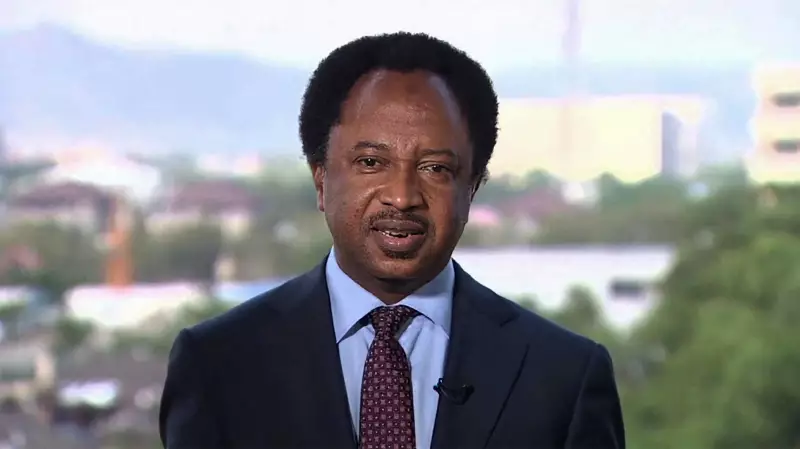
Former Senator Shehu Sani has issued a strong call to action, urging Nigerian youths to transition from being observers on social media to becoming active participants in the nation's political arena. The former lawmaker, who represented Kaduna Central in the defunct 8th National Assembly, insists that real change is only achievable through direct involvement and the power of the ballot.
From Online Critics to Political Contenders
In a post made on the social media platform X on 10 January 2026, Sani directly addressed older Nigerians who frequently criticise younger office holders online. He pointed out a common irony where individuals in their 30s, 40s, and 50s complain about representatives who are younger than them.
"You are in your 30s, 40s or 50s, your Rep member is in his 30s and your House of Assembly member and Local Government Chairman are in their 20s," Sani stated. He advised them to "excuse yourself from their comment section on Facebook, X and Instagram; register as a member of a political party and aspire to contest and give your people the kind of leadership you think they deserve."
He argued that spending energy attacking elected officials in online comments does little to improve governance or hold leaders accountable. Instead, he believes that meaningful contribution comes from stepping into the political ring.
Tackling Youth Apathy and Financial Barriers
Sani also referenced surveys indicating that Nigerian youths are more active on social media than in mainstream politics, a trend he described as detrimental to democratic growth. He encouraged young Nigerians not to be deterred by the perception that politics is exclusively for the wealthy, noting that many current leaders did not have easy beginnings.
"You need to hear the story of most of those you see in power today; it wasn't an easy ride from the beginning," Sani remarked, aiming to inspire potential aspirants.
This call comes amid ongoing concerns about voter apathy, particularly among the youth. Data from the Independent National Electoral Commission (INEC) reveals that while young people constitute a significant portion of registered voters, many ultimately do not cast their ballots. This discrepancy has raised alarms among civil society groups and political analysts.
Broader Push for Electoral Engagement
In recent months, youth-led organisations and advocacy groups have intensified campaigns to promote voter registration and political participation. This push is in anticipation of off-cycle elections and broader preparations for future polls.
Several groups have also called on political parties to lower barriers to entry for young aspirants. A major point of contention is the high cost of nomination forms, which critics argue stifles grassroots participation and excludes capable but less affluent individuals.
The federal government and INEC have separately acknowledged the persistent challenge of voter apathy, especially among first-time voters. Both entities have reiterated their commitment to voter education and implementing electoral reforms designed to strengthen public confidence in the democratic process.
Senator Sani's message amplifies a growing national conversation: for Nigeria's democracy to truly reflect its youthful population, its young citizens must move from the sidelines to the centre of political action.