Bandits Release 11 Kidnapped Kaduna Villagers After Over N40 Million Ransom Payment, Two Killed in Captivity
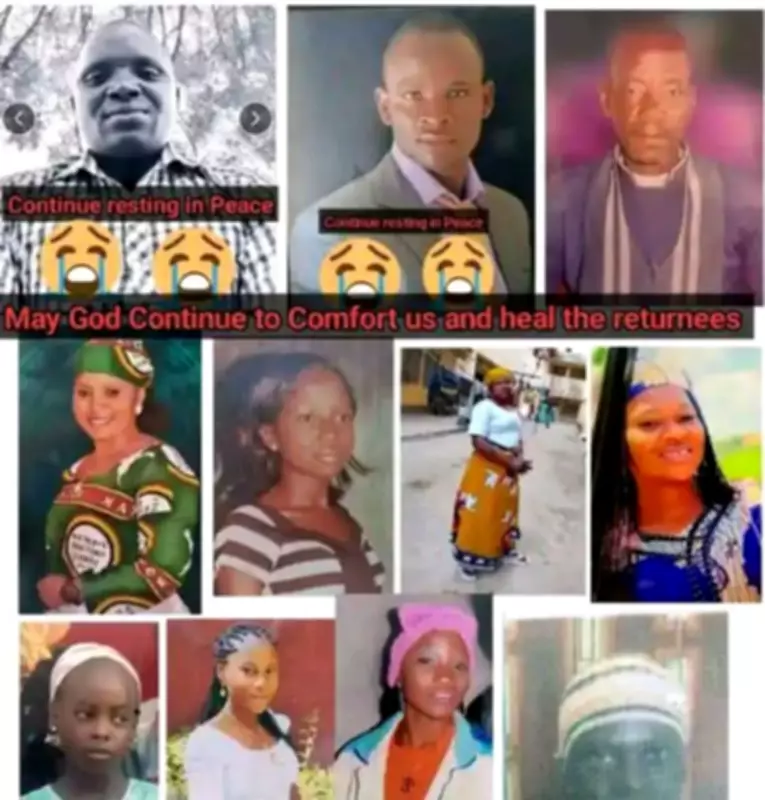
Bandits have finally released eleven kidnapped members of the Gidan Waya community in Lere Local Government Area of Kaduna State, following a protracted four-month captivity and the payment of a ransom exceeding forty million naira. Tragically, two of the original thirteen abductees were killed by their captors during the ordeal, highlighting the brutal and unpredictable nature of the crisis.
Community's Desperate Struggle and Initial Abduction
The harrowing incident began on November 11, 2025, when armed gunmen violently stormed the peaceful Gidan Waya community. In the attack, four residents were killed, and thirteen others—comprising five men and eight women—were forcibly abducted, plunging the area into a state of fear and anguish. The community's elders made desperate appeals to President Bola Tinubu and Kaduna State Governor Uba Sani, pleading for urgent governmental intervention to secure the victims' safe return.
According to Mallam Rabo Sambo, the Chairman of the Elders Forum, inhabitants undertook extreme measures to meet the kidnappers' demands. They sold more than 3,000 bags of maize to raise the initial N40 million ransom specified by the bandits. Despite this significant sacrifice and payment, the terrorists reneged on their promise, refusing to release the hostages and instead demanding additional funds, thereby prolonging the community's suffering.
Release Confirmed Amidst Grief and Spiritual Reflection
A community leader, Dan Azumi Meshach, confirmed that the victims ultimately regained their freedom on March 29, 2026. However, he somberly revealed that two of the captives, identified as Mallam Ibrahim Bagobari and Mr. Habib, were killed by the bandits while in captivity. Meshach expressed profound gratitude to God for the release of the remaining eleven individuals, who are currently receiving medical treatment, but emphasized the deep pain of losing their brethren.
In a heartfelt statement, Meshach detailed the community's continued efforts: "While we waited for their return, the kidnappers demanded an initial ransom of 40 million, and when it was paid, they refused to release them, asking for more money. The churches, families, and communities worked hard to raise the additional funds, but they still killed our brothers." He called for divine justice, asserting that the perpetrators would face consequences for their evil deeds and urging any collaborators to repent.
Spiritual Warfare and Community Resilience
Meshach framed the struggle in spiritual terms, stating, "The battle is spiritual, starting in the spiritual realm before manifesting physically. The devil uses people, even among us, to achieve his purpose." He encouraged the community to remain steadfast in prayer and faith, believing that spiritual conquest would facilitate physical resolution. Reflecting on the deceased, he expressed comfort in the belief that they are resting with Lord Jesus, and he prayed for strength and protection for all affected.
This incident underscores the ongoing security challenges in Kaduna State, where communities are forced to resort to self-funding ransoms amidst inadequate governmental protection. The Gidan Waya case serves as a stark reminder of the human cost of banditry and the urgent need for more effective security measures to prevent such tragedies in the future.