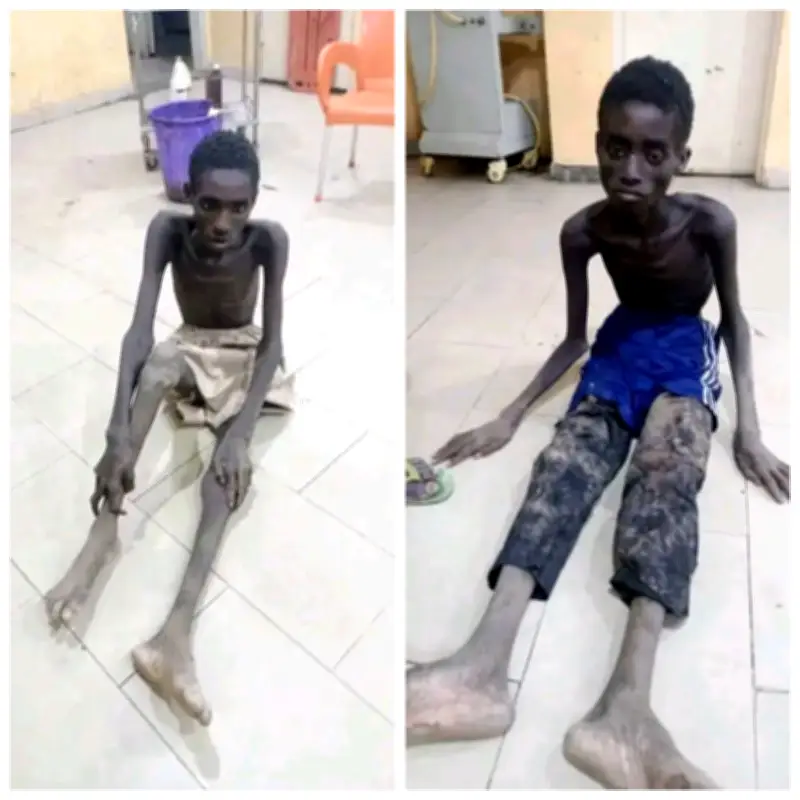
A Katsina State resident, Khaleed Yazeedu, has sparked outrage by posting disturbing images of two recently released kidnapping victims who appear severely malnourished after enduring prolonged abuse and starvation in the hands of bandits. The photos, shared on Facebook on Wednesday, July 29, 2026, have reignited debates about the persistent insecurity in Nigeria's northern region.
Security analyst Usman confirmed to reporters that the victims were freed after a ransom was paid, though he did not disclose the amount or the identities of the survivors. The photographs show the individuals with visible ribs, sunken eyes, and frail limbs—signs of extreme deprivation during their captivity.
Yazeedu's Scathing Critique of Government Response
In his Facebook post, Yazeedu described the victims' condition as "an indictment of our collective failure and a haunting testimony of failed governance." He wrote: "No human being should return from captivity looking as though they have been starved of both food and hope." He added, "Every visible rib tells a story of suffering, neglect, and a nation that has not fulfilled its most fundamental obligation to protect its people."
The post continued: "The deepest shame is not only the cruelty of the bandits, but the repeated failure of those entrusted with power to prevent such horrors or bring lasting security to vulnerable communities." Yazeedu emphasized that the survivors "deserve far more than pity. They deserve justice, proper care, and a government whose greatest priority is safeguarding the lives and dignity of every citizen."
Banditry Epidemic in Northwest Nigeria
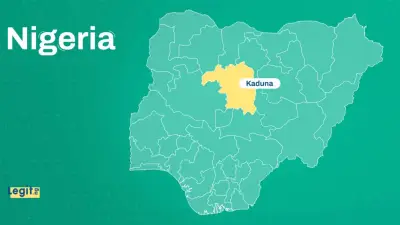
The release of the emaciated victims underscores the ongoing crisis of banditry in Nigeria's Northwest, where armed groups frequently abduct villagers, travelers, and students for ransom. Katsina State, the home state of President Bola Tinubu, has been one of the hardest-hit areas despite repeated government assurances of enhanced security operations.
According to data from the Nigeria Security Tracker, at least 1,200 people were kidnapped in Katsina alone in the first six months of 2026. Many victims are held for weeks or months in forest camps, often subjected to torture and starvation to pressure families into paying ransoms that can run into millions of naira.
Calls for Action Beyond Ransom Payments
Security analyst Usman noted that while ransom payments often secure immediate freedom, they fuel the cycle of abductions. "Every ransom paid funds more weapons and more attacks," he said. Activists and community leaders have urged the government to prioritize intelligence-led operations and community policing to dismantle bandit networks.
The Nigerian military has launched several operations in the region, including Operation Hadarin Daji, but critics argue that the lack of coordination and corruption within security agencies hampers effectiveness. Yazeedu's post resonated with many Nigerians, who shared the images widely and demanded accountability from authorities.
As of press time, no official statement from the Katsina State government or the Nigerian Police Force has been issued regarding the incident. The victims are believed to be receiving medical treatment at an undisclosed location, but their long-term psychological and physical recovery remains uncertain.