Security Expert Identifies Complex Network Behind Kwara State Attacks
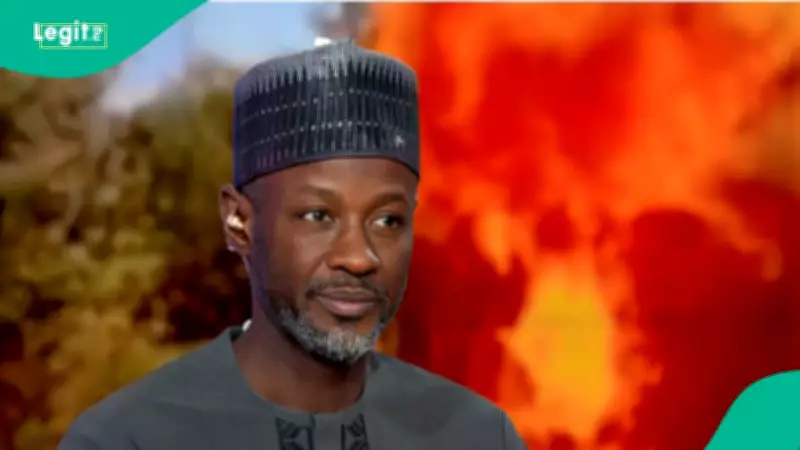
Renowned security analyst Kabir Adamu has provided critical insights into the recent deadly attacks in Kwara State, attributing the violence to a sophisticated ecosystem comprising multiple armed groups. During an exclusive interview on Channels Television's Morning Brief program monitored on Monday, February 9, Adamu emphasized the interconnected nature of Nigeria's security challenges, warning against viewing them in isolation.
Multiple Armed Groups Operating in Kwara Region
Adamu detailed the complex security landscape in Kwara State, stating: "It is not a case of either or. It is an ecospace that consists of several groups. The bandits are there, the terrorist groups are there." He specifically identified several factions operating in the region, including groups affiliated with Jama'at Nusrat al-Islam wal-Muslimin (JNIM), the Sahel-based Al-Qaeda affiliate that has claimed responsibility for attacks in Kwara State.
The security expert also mentioned the Mahmudawa group, formed by an individual named Mahmuda who received training in Libya, noting that this leader has since been arrested. Furthermore, Adamu revealed there are strong indications that Jama'tu Ahlis Sunna Lidda'awati wal-Jihad (JAS) maintains active cells in parts of Niger and Kwara states, creating a dangerous security environment for local communities.
Escalating Violence Along Niger-Kwara Axis
The security situation in Kwara has deteriorated significantly in recent times, with jihadist fighters killing approximately 170 people in Woro village during a particularly devastating attack. This assault represents the deadliest incident in recent memory within the state that borders Niger Republic. Security analysts express growing concern that Islamic State West Africa Province (ISWAP) and other armed groups have intensified their operations, conducting frequent village attacks and mass kidnappings across the region.
Governor AbdulRahman AbdulRasaq's administration has acknowledged the rising incidents of armed attacks, particularly along the Kwara-Niger axis, and has implemented measures to address the security challenges. The escalating violence has raised serious alarms that jihadist factions from northern regions are expanding southward along the Niger-Kwara corridor toward the Kainji forest, which security experts warn could potentially become their next operational stronghold if not properly contained.
International Scrutiny and Government Response
Nigeria's security situation has attracted international attention following accusations by former U.S. President Donald Trump in 2025 that the country failed to adequately protect Christian communities amid Islamist attacks and mass kidnappings. This criticism came after U.S. military forces conducted strikes against what they identified as terrorist targets on December 25, 2025.
President Bola Tinubu's administration has responded to these concerns by strengthening cooperation with American security agencies to enhance national security measures. The government has firmly denied allegations of systematic persecution against Christian populations, emphasizing its commitment to protecting all citizens regardless of religious affiliation.
President Tinubu has condemned the Kwara attacks as "cowardly and barbaric" acts targeting villagers who resisted attempts to impose extremist rule. He announced the establishment of a new military unit specifically designed to prevent further attacks and provide enhanced protection for remote communities vulnerable to armed group incursions.
Local Impact and Community Response
The security crisis has profoundly affected residents across Kwara State, particularly in communities like Lade and surrounding areas within Patigi and Edu Local Government Areas. These locations have experienced waves of deadly attacks by armed bandits that resulted in the deaths of three local vigilantes, injuries to numerous security operatives, and the theft of over 100 cattle during two separate but closely connected incidents.
The persistent violence has created an atmosphere of fear and uncertainty among local populations, with many communities implementing additional security measures while calling for increased government protection against the complex network of armed groups operating in their regions.