Kebbi Terror Attack Claims 24 Lives, Destroys Church and Mosque
The Catholic Diocese of Kontagora has officially confirmed the tragic death of 24 individuals, comprising both Christians and Muslims, during a devastating terrorist assault on Debe village in Shanga Local Government Area of Kebbi State. This horrific incident occurred on Easter Sunday, marking a severe escalation of violence in the region.
Coordinated Night Assault Across Multiple Villages
According to security reports, suspected bandits initiated a coordinated night attack targeting several villages within the same local government area, including Gebe, Kawara, and Kalkami. The assailants set homes ablaze, forcing numerous residents to flee for their lives in a state of panic and chaos.
Security sources have indicated that the attackers are believed to have originated from hideouts located in the Wawa Forest within Borgu Local Government Area of neighboring Niger State. This suggests a cross-border dimension to the security threat facing the area.
Police and Military Response Deployed
The Kebbi State Police Command has confirmed the deployment of tactical units, military forces, marine police, and local vigilante groups to the affected region in an effort to restore order and provide security for the traumatized communities.
Diocese Details the Attack and Aftermath
In a statement released from Yauri, Kebbi State, the Catholic Diocese provided detailed accounts of the attack, which began around 5 PM on April 5. The violence lasted for several hours, resulting in significant loss of life and widespread destruction of property.
"We want Nigeria and the international community to know what transpired in Debe," the Diocese emphasized, correcting earlier police reports that had cited only four fatalities. "The confirmed number of fatalities is 24, contrary to earlier police reports of four."
The Diocese highlighted that the attack affected individuals across religious lines, including Christians, Muslims, and traditional worshippers, describing it as "a tragedy against humanity, not a particular faith."
Extensive Destruction and Displacement
The terrorists reportedly set fire to St. Mary's Catholic Church, a local mosque, numerous residential homes, and several shops. The attackers specifically targeted men and youth during the assault, exacerbating the community's trauma.
"The terrorists invaded the village and killed 24 people. Properties were destroyed, including a church and a mosque. This is a devastating blow to the entire community," the statement further elaborated.
The violence extended to neighboring communities, with reports of substantial destruction in Binuwa and Kalkame. Even local markets and the emir's residence were not spared from the attackers' rampage.
Humanitarian Crisis Unfolds
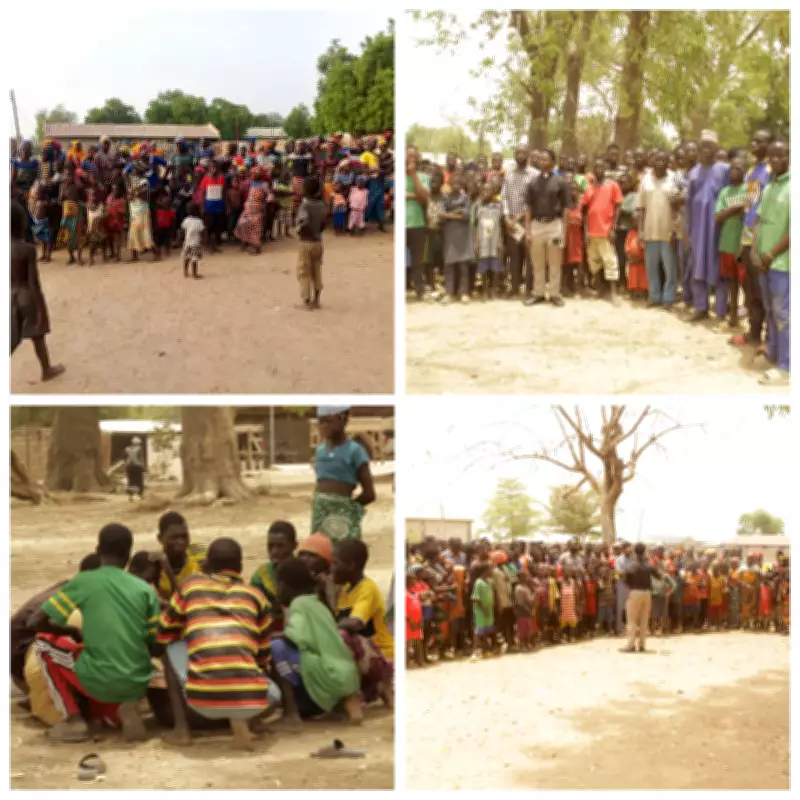
In the aftermath of the attack, hundreds of residents were forced to abandon their homes, seeking safety elsewhere. The Diocese disclosed that 491 internally displaced persons are currently taking refuge at St. Dominic Parish in Yauri.
"These displaced persons are in urgent need of food, clean water, medical care and adequate shelter," the statement warned, noting that existing support efforts are severely overstretched and insufficient to meet the growing needs.
Calls for Government Intervention
While providing emergency assistance to the affected communities, the Church issued a urgent appeal for intervention from both the Federal Government and Kebbi State authorities.
"We call on President Bola Tinubu and Governor Mohammed Idris to take decisive action to restore security and enable displaced persons to return home safely," the Diocese urged, emphasizing the critical need for immediate governmental response.
Community Fear and Long-Term Concerns
The Diocese expressed grave concern that communities across Kebbi State are now living in constant fear, with residents unable to properly bury their deceased loved ones or begin the process of rebuilding their shattered lives in peace.
"People are being killed on a daily basis in Nigeria. Communities in Kebbi State are now living in fear," the statement lamented, highlighting the pervasive insecurity affecting daily life.
Furthermore, the Diocese appealed to humanitarian organizations and the international community to provide urgent assistance to prevent the situation from deteriorating into a full-blown humanitarian crisis. The statement also called for the development and implementation of long-term solutions to address the root causes of insecurity in the region, emphasizing that temporary measures are insufficient to ensure sustainable peace and safety for the affected populations.