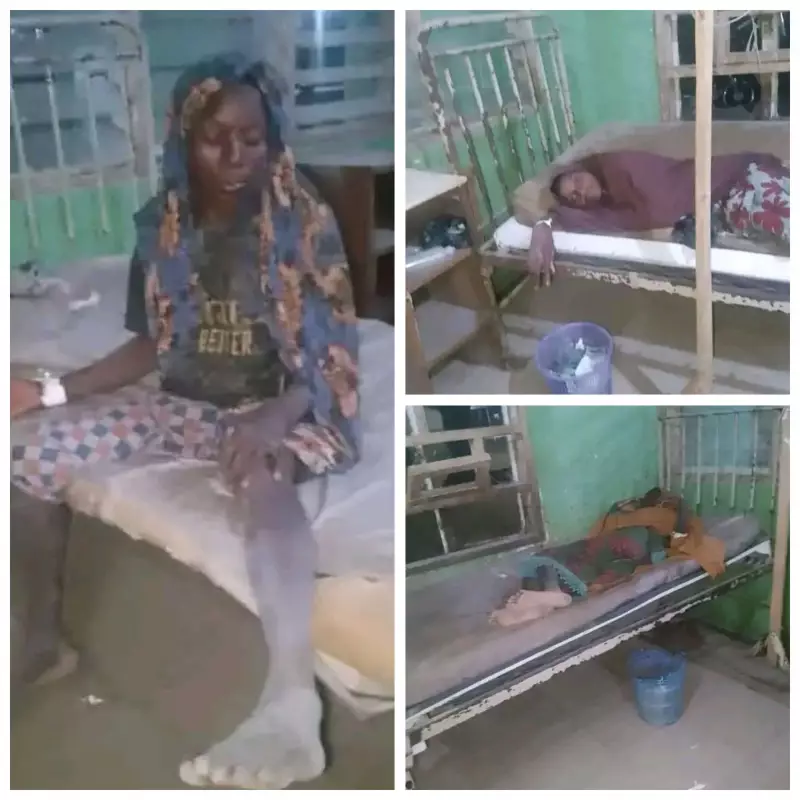
Sokoto Bride and Family Regain Freedom After Seven Weeks in Bandit Captivity
In a significant development in Sokoto State, a bride, her parents, and friends who were abducted by bandits have finally regained their freedom after enduring seven weeks in captivity. The incident, which has drawn widespread attention, highlights the ongoing security challenges in the region.
Details of the Abduction and Release
The abduction occurred in Chacho village, located within the Wurno Local Government Area of Sokoto State. According to reports, bandits stormed the community on Sunday, November 30, 2025, and abducted the victims just hours before the bride's wedding ceremony was scheduled to take place. This timing added a layer of tragedy to the event, as it disrupted what should have been a joyous occasion.
After seven weeks in captivity, the victims were released on Monday, January 19, 2026. It has been confirmed that their freedom was secured following the payment of a ransom, a common practice in such cases in Nigeria. The journalist Bakatsine provided updates on the situation, noting that the victims are currently receiving medical care at Isa Hospital to address any physical or psychological trauma they may have suffered during their ordeal.
Impact on the Community and Security Concerns
This incident underscores the persistent threat of banditry in Sokoto State and other parts of Nigeria. The abduction of a bride and her loved ones just before her wedding has sent shockwaves through the local community, raising concerns about safety and security in rural areas. Such events not only cause immediate harm but also have long-term effects on the social fabric and economic stability of affected regions.
The release of the victims, while a relief, brings to light the complex dynamics of ransom payments in kidnapping cases. While they can lead to freedom for captives, they also risk incentivizing further criminal activities. Authorities continue to grapple with finding effective strategies to combat banditry and ensure the safety of citizens.
As the victims recover under medical supervision, this case serves as a stark reminder of the urgent need for enhanced security measures and community support systems in vulnerable areas. The resilience of the victims and their families in the face of such adversity is commendable, and their story highlights the human cost of insecurity in Nigeria.