Nigeria's Porous Borders: A Crackdown on Irregular Migrants Misses the Real Threat
The Federal Government's latest nationwide crackdown on irregular migrants appears impressive on paper, yet for a nation grappling with severe insecurity, it risks being dismissed as mere bureaucratic theater. While the Ministry of Interior celebrates tracking expired visas in urban centers like Lagos and Abuja, the true invaders are crossing Nigeria's porous borders with impunity. These individuals are not just irregular migrants; they carry the seeds of national collapse, including banditry and terrorism.
Government Efforts and AI-Driven Tracking
At the 2026 Sectoral Performance Review Retreat in Abuja, themed 'Accountable Leadership, Measurable Impact, Reviewing Commitment', Minister of Interior Dr. Olubunmi Tunji-Ojo announced a new AI-driven tracking system. This system monitors all travelers who have entered Nigeria over the past decade. Tunji-Ojo stated, "We now possess the data to identify and locate those who have overstayed their visas. With our Integrated Operations Centre and Network Operations Centre, we can access information on everyone who has entered the country in the last 10 years." He described the Nigeria Immigration Service (NIS) as transitioning into "an internal security enabler and a protector and the guardian of our border space."
The Reality of Porous Borders and Security Threats
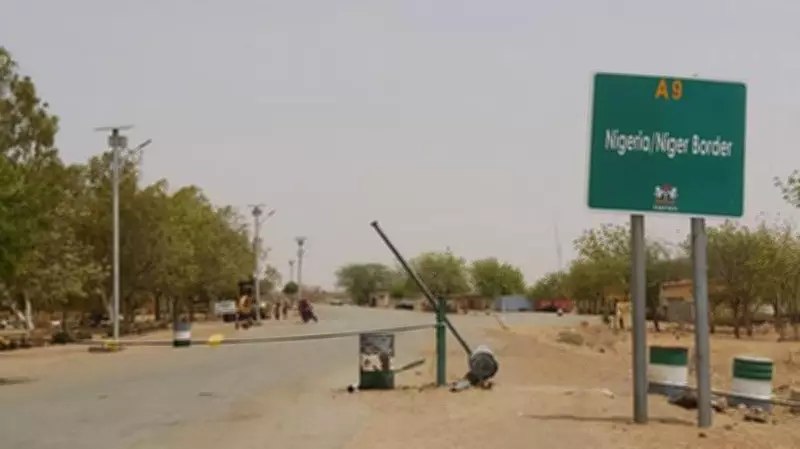
Despite these technological advancements, the minister's focus on spreadsheets overlooks the critical issue of Nigeria's porous borders. The country is being overrun by perpetrators who enter without visas or documentation, treating borders as mere suggestions. This influx includes bandits and terrorists who displace local populations and transform indigenous forests into killing fields. To frame this as solely an immigration issue insults the victims of banditry and the millions of Nigerians facing daily threats from violent invaders.
Undocumented migrants destabilize the polity, commit crimes with impunity, and exacerbate unemployment by taking jobs from Nigerians in cut-throat competitions. They often operate in closed communities, conducting meetings in languages unknown to locals and mobilizing rapidly for purposes such as lynching over unproven accusations. Their presence erodes peace in local communities and fuels insecurity, with many suspected of using Nigerian identification numbers for illicit activities like POS transactions and collusion with kidnappers.
ECOWAS Protocol and Regional Challenges
The Economic Community of West African States (ECOWAS) Protocol on Free Movement has been used as an excuse for state paralysis. While regional integration is valuable, it should not equate to anarchy. Nigeria must distinguish between legitimate West African traders and foreign mercenaries. The government's inertia on this matter sacrifices Nigerian lives for diplomatic "best practices," while neighbors do little to curb criminal inflows. Nigeria's porous borders are open sores, making it the "sick man" of the region.
Escalating Violence and Humanitarian Crisis
The security situation in Nigeria remains dire, with threats including jihadist terrorism, banditry, kidnapping, and separatist violence. Early 2026 saw a surge in violence, as bandit groups in the Northwest aligned with jihadist organizations like ISWAP and the Lakurawa group. From January 1 to February 10, 2026, an estimated 1,258 people were killed, including over 160 in a single week in Kwara State. Nigeria recorded the largest global increase in terrorism deaths in 2025, with fatalities rising by 46% to approximately 750.
Between early 2023 and mid-2025, more than 10,200 civilians were killed in northern Nigeria, leading to a deepening humanitarian crisis. As of late 2025, there are approximately 3.4 million internally displaced persons (IDPs), with 2.2 million in the Northeast due to Boko Haram and ISWAP, and over 1.1 million in the Northwest and North-Central due to banditry. Kidnapping for ransom has become a primary funding source, with over 2,450 individuals reported kidnapped in 2024 alone, a trend that continued upward in 2025.
Call for Coordinated Action
It is time for Minister Tunji-Ojo to move beyond optics and implement a coordinated approach with other security agencies. If the government's "renewed hope" agenda is sincere, it must first prove its ability to protect Nigerian soil. A crackdown focused on expired permits while ignoring armed caravans crossing borders is virtually useless. The ministry must seal border gaps, register undocumented individuals, or cease pretending Nigeria has functional borders at all.