The 2026 FIFA World Cup has been overshadowed by concerns over visa delays, entry refusals, and heightened border scrutiny, as several players, officials, and supporters encountered difficulties traveling to the United States ahead of the tournament.
Somali Referee Omar Artan Denied Entry Despite Valid Visa
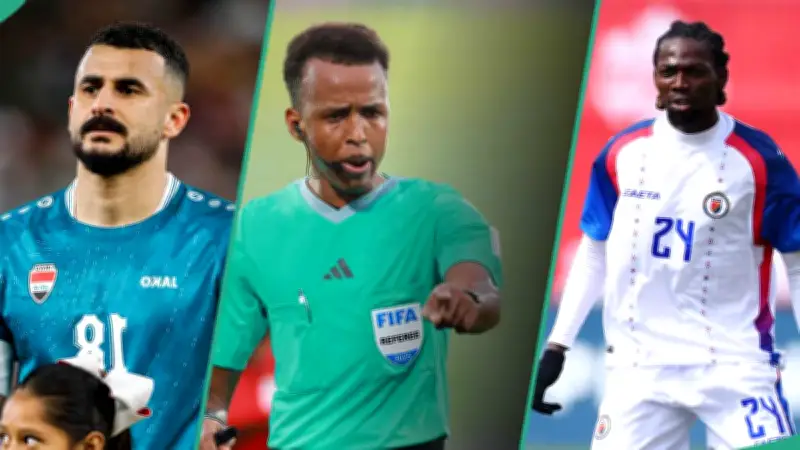
Somali referee Omar Artan, who was selected among FIFA's officials for the competition, was refused entry into the United States despite holding a valid visa. This incident has intensified debate about whether immigration policies are affecting access to one of the world's biggest sporting events, according to Al-Jazeera reports. Artan, 34, had been set to become the first Somali official to referee at a FIFA World Cup. Instead, his journey ended at Miami airport, where US authorities denied him entry and returned him to Istanbul. The US Department of Homeland Security stated that the referee had been deemed inadmissible following vetting procedures. The decision prompted criticism from human rights advocates and sports observers, particularly given Somalia's inclusion on the US travel ban list.
Iran National Team Faces Visa Issues
Iran's participation was also clouded by uncertainty. The national team eventually received visas shortly before the start of the tournament, but several members of its support staff were reportedly denied entry permits. This situation emerged against a backdrop of heightened tensions between Washington and Tehran. As a result, Iran relocated its operational base to Tijuana in Mexico and will travel into the United States only for matchdays. Questions have been raised about whether those travel restrictions could affect preparation and performance during the competition.
Iraq's Aymen Hussein Detained, Photographer Denied Entry
Iraq also experienced difficulties. Striker Aymen Hussein was detained for several hours upon arrival in Chicago before eventually being allowed to enter the country. “Why is America hosting the World Cup if it is so hostile to foreign nationals?” the 30-year-old said after the incident. National team photographer Talal Salah faced an even longer ordeal. After extensive questioning and checks of his mobile phone, he was ultimately refused entry.
Other Cases: Haiti's Woodensky Pierre and Switzerland's Breel Embolo
Not all cases ended in exclusion. Haiti midfielder Woodensky Pierre received approval after a lengthy wait, allowing him to join his national team. However, the delay prevented him from participating in a friendly match against New Zealand. Switzerland forward Breel Embolo also overcame visa complications linked to a previous legal matter in his home country. Following discussions with US officials, he was cleared to travel and rejoined his squad.
FIFA's Role in Ensuring Access
The incidents have reignited scrutiny of FIFA's role in ensuring access to tournaments hosted by individual nations. International sports lawyer Khayran Noor argued that while governments retain authority over border security, hosting global sporting events carries wider obligations. “This is not about requiring states to abandon immigration laws or surrender sovereignty. Rather, it is about asking whether hosting the world’s largest sporting events also carries responsibilities around meaningful inclusion and access,” Noor said. FIFA president Gianni Infantino has rejected suggestions that football's governing body can override government decisions. Speaking before the tournament's opening match, he said FIFA would continue seeking practical solutions but must respect the authority of national governments over immigration and border control matters.
Supercomputer Pairs Iran with US
Legit.ng previously reported that statistical projections suggest a possible knockout clash between the United States and Iran at the World Cup. Opta simulations give both nations a strong chance of progressing from their respective groups, creating the possibility of another politically charged encounter should they meet in the Round of 32.