Jos Crisis: Unheeded Warnings and the Cycle of Violence in Plateau State
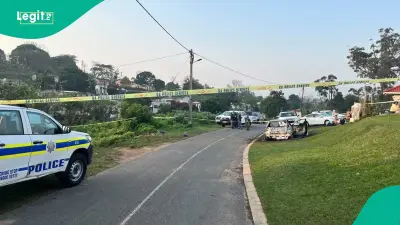
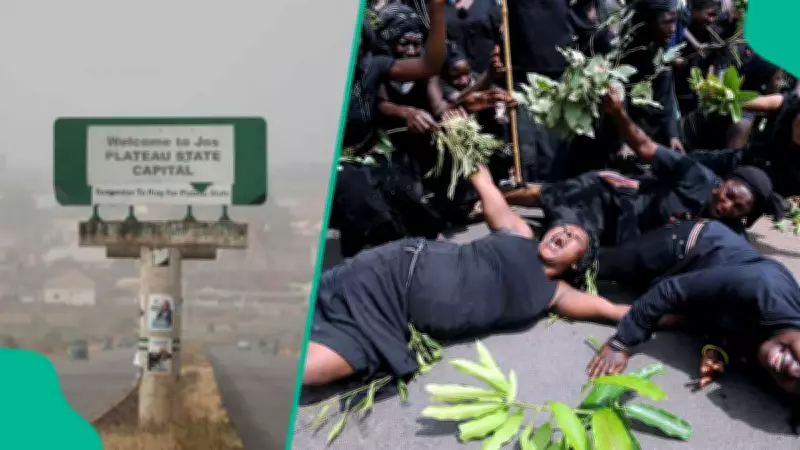
The city of Jos, Plateau State, has once again been engulfed in violence, following a familiar and tragic pattern that has plagued the region for decades. This latest outbreak, occurring on Palm Sunday, saw gunmen storm a community in Jos North, killing numerous residents in a night attack. Witnesses reported attackers arriving on motorcycles and shooting indiscriminately, with no group claiming responsibility. This incident is not an isolated event but part of a long-running cycle of violence driven by deep-seated ethnic tensions and religious fault lines.
The Prophetic Warnings of the Niki Tobi Panel
A revisit of the Justice Niki Tobi panel report, commissioned after the 2001 crisis, reveals a document that reads more like a prophecy of the present. The panel identified immediate triggers such as a confrontation involving a woman named Rhoda at Congo-Russia during Juma’at prayers and the controversial appointment of Mukhtar as NAPEP coordinator in Jos North. However, it emphasized that these were merely sparks igniting a fire that had long been burning. Beneath these incidents lay deep-rooted tensions: indigene versus settler disputes, competing claims over land ownership, religious intolerance, ethnic suspicion, and a dangerous accumulation of unresolved grievances.
The panel’s findings were damning, noting that previous reports, particularly the Fibreisima report of 1994, had been ignored. That earlier panel was constituted following unrest triggered by the appointment of Aminu Mato as Chairman of the Caretaker Committee of Jos North Local Government. Yet, history repeated itself, with the Niki Tobi panel warning that failure to implement recommendations was “a sure recipe for a repeat performance.” This warning has proven tragically accurate, as nothing changed because nothing was really resolved.
Accountability and Institutional Failures
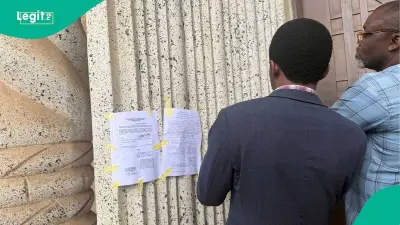
The Niki Tobi panel called for accountability, recommending that individuals and groups identified as instigators or participants in the violence be investigated and prosecuted. It warned that impunity would only embolden future offenders. Over 100 individuals were named, but what became of them? Were they properly tried? Did anyone face real consequences? One particularly troubling case was that of the then Commissioner of Police in Plateau State, Alhaji M.D. Abubakar, accused of failing in his duties and allegedly displaying bias in the protection of places of worship. The panel recommended his retirement or dismissal if he refused, yet he remained in service and eventually rose to become Inspector-General of Police. This sends a clear message of impunity.
It is noteworthy that close to 1,000 people died, and properties worth over 3 billion Naira at the time were destroyed in the 2001 crisis. Beyond accountability, the panel recommended structural fixes to recurring flashpoints, such as banning and enforcing the blocking of public roads for religious activities—a trigger of violence that persists today. The commission also addressed the role of inflammatory messaging, calling for regulation of loudspeakers and curbing the use of religious platforms to incite violence, a problem that has only worsened.
Root Causes and the Path Forward
The panel highlighted the need to rein in groups and associations that thrive on ethnic and religious confrontation, recommending sanctions, including suspension or proscription where necessary. It also pointed to institutional failure, especially weak policing capacity and poor intelligence response, calling for better equipping and preparedness of security agencies. Decades later, these same deficiencies remain, making the case for state policing increasingly urgent.
Most importantly, the report underscored what many avoid saying plainly: the indigene-settler divide is at the heart of the crisis. Competing claims of ownership, identity, and belonging continue to poison relationships and fuel violence. Until this is addressed, peace will remain fragile. So, what must be done now? The government must do what it has consistently failed to do: implement. Not announce panels or write white papers, but implement recommendations. Justice must be seen and felt, with prosecutions following violence.
Political leaders must stop weaponizing identity for short-term gains, and every appointment should be made with sensitivity in deeply divided communities. Religious leaders across the country must take responsibility for the tone and influence of their platforms, as words spoken from pulpits and minarets have consequences. And the people—Berom, Hausa-Fulani, Afizere, Anaguta; Christians and Muslims alike—must confront a hard truth: coexistence is not optional; it is the only path. Unless we finally confront the root causes religiously, Jos will continue to be Jos, not if, but when.