Governor Nwifuru's Land Dispute Resolution Drive Yields Tangible Results in Ebonyi
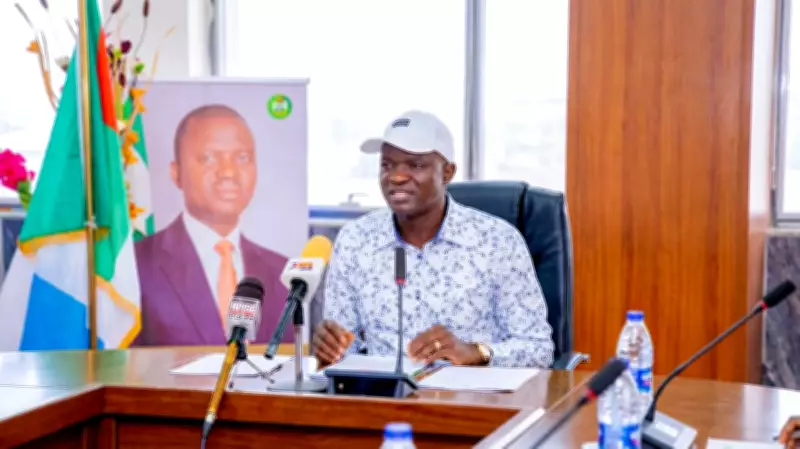
Efforts by the Ebonyi State Government to resolve protracted land and boundary disputes are beginning to deliver tangible results, according to Professor Awo Nwobasi, the Commissioner for Border, Peace and Conflict Resolution. Speaking with journalists in Abakaliki on Friday, Nwobasi highlighted that the administration of Governor Francis Nwifuru has made significant progress in settling disputes that have lingered for decades, with some conflicts dating back over a century.
Progress in Resolving Long-Standing Conflicts
Nwobasi reported that the ministry has successfully resolved several long-standing conflicts, while many others are at advanced stages through sustained dialogue and mediation. He noted that since assuming office in July 2025, he inherited a catalogue of complex disputes but has adopted diplomatic and inclusive approaches to address them. Communities where interventions have yielded results include Nduakparata and Nduezeoke, Abomege and Ishinkwo, as well as Ose Edda Ndukwe and Okporojo. Other affected areas, such as Nkalaha, Umuogodoakpu, and Ezza-Nkalaha, have seen strategic engagements aimed at restoring peace.
Challenges and Warnings Against Exploitation
However, Nwobasi decried the activities of individuals who exploit communal crises for personal gain, warning that the government would not tolerate such actions. He stated, "It is disturbing that some persons have turned crises into a business venture, deceiving unsuspecting community members into funding conflicts for their own benefit. Such practices must stop, or those involved will face the full weight of the law." He attributed most conflicts to historical migration patterns, land grabbing, and remnants of conquest-era practices, which he said are no longer acceptable in a modern society.
Historical Context and Future Outlook
Nwobasi further revealed that some disputes date back to as far as 1912 and 1933, describing the progress made so far as a major breakthrough in the state's conflict resolution efforts. He emphasized, "There are cases that have lasted over 100 years. Many have been resolved, while others are nearing conclusion. We remain committed to ensuring that all are settled." He expressed optimism that with growing awareness, education, and societal advancement, recurring issues of land grabbing and boundary disputes would gradually fade. Nwobasi called on community leaders and residents to support government efforts by promoting dialogue and avoiding actions capable of reigniting tensions.