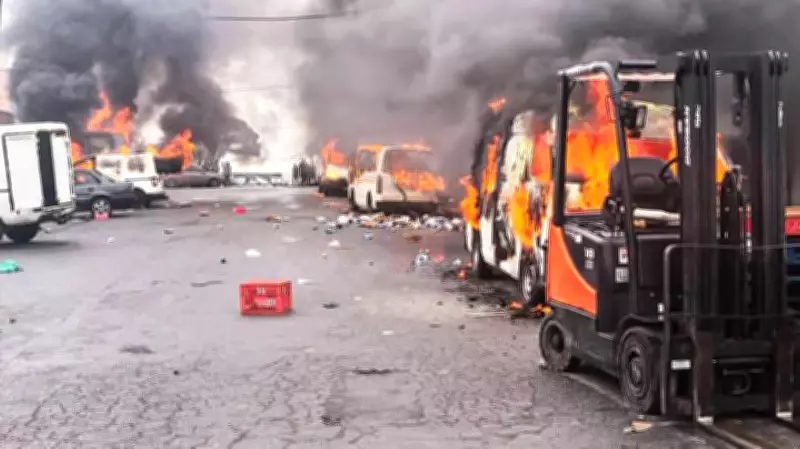
Violent protests have erupted in the Eastern Cape province of South Africa, with demonstrators setting fire to vehicles and buildings in a dramatic response to the controversial installation of a Nigerian king in the region. The unrest, which has escalated into dangerous clashes, centers on the coronation of Solomon Ogbonna Eziko, a Nigerian national from the Igbo ethnic group, as "Igwe Ndigbo Na East London" on March 24, 2026.
Unrest Ignites Over Cultural Sovereignty
According to reports from Newzroom Africa, the protests began in KuGompo City, part of the East London area, where local residents expressed outrage over what they perceive as a disrespectful act towards South African traditions and sovereignty. The installation, organized by the Nigerian diaspora community, has been met with fierce opposition, leading to widespread vandalism and arson targeting properties allegedly owned by foreign nationals.
Violence Escalates with Attacks and Risks
The situation turned more volatile when alleged attacks by foreign nationals on protesters occurred, including incidents of stabbings and a vehicle ramming. This further inflamed tensions, resulting in crowds vandalizing a mosque and creating risks of explosions from fuel sources. Affected foreign business owners have emerged from the chaos distraught, as their livelihoods are threatened by the destruction.
Background on the Controversial King
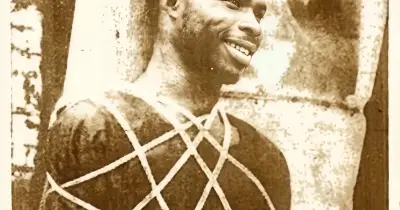
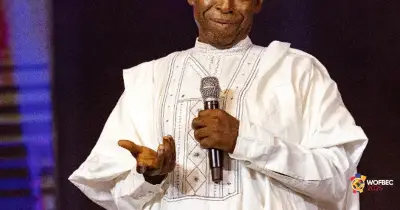
Solomon Ogbonna Eziko, the figure at the heart of the controversy, is a Nigerian from southeastern Nigeria who has been active in the Nigerian community in East London, Eastern Cape. He has gained attention for his philanthropic efforts, supporting the less privileged and promoting peace and unity among Nigerians in the area. Reports indicate he has served in community leadership roles, such as chairman of aspects of the East London Nigerian/Igbo community.
Authorities and Community Reactions
Eastern Cape authorities have condemned the installation, labeling it as disrespectful to local customs and a challenge to regional sovereignty. The violent protests underscore deep-seated tensions over cultural identity and immigration in South Africa, with the incident highlighting the complexities of diaspora communities asserting their traditions abroad.
As the unrest continues, there are growing concerns about further violence and the need for dialogue to address the underlying issues. The events in KuGompo City serve as a stark reminder of the potential for cultural clashes to spiral into destructive conflicts, affecting both local and foreign residents alike.