TYF Condemns Misrepresentation of Yoruba Identity in Kwara and Kogi
A prominent socio-cultural advocacy group, Think Yoruba First Organisation Worldwide, has strongly condemned what it describes as a misrepresentation of the historical and cultural identity of Yoruba communities in Kwara and Kogi States. The group issued a statement rejecting assertions that distort public understanding of the region's socio-political realities, particularly in response to an article by Professor Farooq Kperogi titled "Tinubu's Yoruba Agenda Risks Deep Rupture in Kwara." According to the organisation, this narrative presents a one-sided view that could fuel unnecessary tensions.
Historical Roots and Cultural Identity
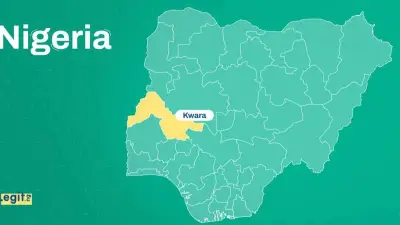
The group emphasized that Yoruba-speaking communities in parts of Kwara and Kogi States possess deep historical roots, with their identity firmly shaped by language, culture, and long-standing settlement patterns. It argued that although Kwara State is geographically located within Nigeria's North Central zone, this does not negate the indigenous Yoruba heritage of these areas. The statement highlighted that traditional institutions, such as the emirate system, have coexisted peacefully with Yoruba communities over time, without eroding their cultural distinctiveness.
Think Yoruba First specifically pointed to communities like Ilorin, Shao, Jebba, Afon, Elemere, and Eiyekorin, insisting that any attempts to question or deny their Yoruba identity disregard established historical and cultural realities. The organisation stressed that the political aspirations of these communities should not be misconstrued as divisive, affirming that the right to seek fair representation within a democratic framework is fundamental and inalienable.
Rejection of Political Speculation
In its statement, the group dismissed suggestions that President Bola Ahmed Tinubu intends to impose political leadership in Kwara and Kogi States, describing such claims as speculative and lacking factual basis. It cautioned against the politicisation of ethnic identity in public discourse, warning that such narratives risk deepening unnecessary tensions and diverting attention from pressing socio-economic and security challenges in the region.
The organisation urged commentators and public intellectuals to exercise restraint, verify historical claims, and engage sensitive national issues with balance and intellectual honesty. It added that Nigeria's strength lies in its diversity, calling for mutual respect, inclusion, and responsible engagement in national discourse to foster unity and stability.